Encouraging exports

Govt must take steps to sustain the rebound
exports, imports, trade, FTA
Business Standard Editorial Comment New Delhi
3 min read Last Updated : May 19 2021 | 11:29 AM IST
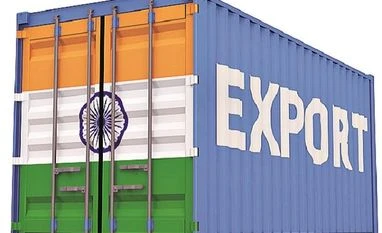
India’s merchandise exports went up nearly 200 per cent in April, year-on-year, to $30.21 billion. While a large part of the jump can be explained by the lower base of last year, exports are benefiting from the pickup in global demand. Even compared to April 2019, exports went up by about 16 per cent. The preliminary data suggests that the trend continues in May as well, led by petroleum products, engineering goods, and the gems and jewellery segments. Agricultural exports are also showing a huge increase. While India exported a record amount of rice last fiscal year, wheat exports too were at a multi-year high. Agricultural exports are likely to remain robust because of rising global food prices as evident from the fact that the FAO Food Price Index is at a multi-year high.

Encouraged by the recent rebound, Union Commerce and Industry Minister Piyush Goyal argued that India could achieve the ambitious target of merchandise exports worth $400 billion this year. To be sure, a sustained rebound in exports would help the Indian economy at a time when domestic demand is under significant pressure because of Covid-related lockdowns and restrictions on public mobility. The outlook for exports has improved because of faster than expected recovery in some of the advanced economies, particularly the US. While economic activity declined sharply in 2020 because of the pandemic, firms are pushing up production to meet the rebound in demand this year. As more and more people get vaccinated, demand is likely to increase further. Since higher demand is also pushing up prices, exporters are getting a much better realisation for their products. For example, global steel prices touched $830 per tonne in March, which was the highest in the past 12 years, bringing huge gains to Indian steel exporters. Thus, in order to take full advantage of the rebound in global demand, the government must ensure that activity is not affected in sectors and firms engaged in exports.

Although the near-term outlook for exports is encouraging, it is important to note that this may not significantly alter India’s trade dynamics. Exports have been virtually stagnant for several years. The level of exports in 2019-20, for instance, was roughly the same as in 2014-15. Thus, it is likely that the jump in exports would not be sustained in the medium term once global demand stabilises. India has shown a lack of export competitiveness over the years compared to some of its peers. For example, as highlighted in the latest Economic Survey, India’s exports went up by a compound annual growth rate of 0.9 per cent between 2011 and 2019. The comparable number for Bangladesh was 8.6 per cent. Notably, India has underperformed despite having a much broader industrial base.

The reasons for India’s underperformance on the export front are well documented. India has not been able to take advantage of its large pool of labour to push labour-intensive manufacturing and exports, which has significantly affected overall economic performance. It has also increased tariffs across the board in recent years. Besides, India decided to walk out of the Regional Comprehensive Economic Partnership — virtually disengaging itself from the most dynamic region in the world. This would affect India’s participation in the global value chain, which is critical for exports. Comprehensive trade agreements with the European Union and the US also remain elusive. Thus, to boost exports on a sustainable basis, which is absolutely critical for attaining higher economic growth and creating jobs, the government must review and reverse protectionist measures taken over the last few years.


One subscription. Two world-class reads.

Already subscribed? Log in

Subscribe to read the full story →
*Subscribe to Business Standard digital and get complimentary access to The New York Times

Smart Quarterly

₹900

3 Months

₹300/Month

SAVE 25%

Smart Essential

₹2,700

1 Year

₹225/Month

SAVE 46%
*Complimentary New York Times access for the 2nd year will be given after 12 months

Super Saver

₹3,900

2 Years

₹162/Month

Subscribe

Renews automatically, cancel anytime

Here’s what’s included in our digital subscription plans

Exclusive premium stories online

  • Over 30 premium stories daily, handpicked by our editors

Complimentary Access to The New York Times

  • News, Games, Cooking, Audio, Wirecutter & The Athletic

Business Standard Epaper

  • Digital replica of our daily newspaper — with options to read, save, and share

Curated Newsletters

  • Insights on markets, finance, politics, tech, and more delivered to your inbox

Market Analysis & Investment Insights

  • In-depth market analysis & insights with access to The Smart Investor

Archives

  • Repository of articles and publications dating back to 1997

Ad-free Reading

  • Uninterrupted reading experience with no advertisements

Seamless Access Across All Devices

  • Access Business Standard across devices — mobile, tablet, or PC, via web or app

Topics :CoronavirusPiyush GoyalMerchandise exportsIndian exportsIndian EconomyExports

Next Story



