Need of the hour: The renewable energy sector will truly benefit from large spend in innovation and market development that improves efficiency and reliability
The renewable energy sector needs new players, too. The flood of newcomers into renewable energy, welcome as they are, have background largely in infrastructure and financing. They are not yet clean-technology players and look good in the reflected glory of declining costs of solar modules and wind equipment. The renewable energy sector will truly benefit from large spend in innovation and market development that improves efficiency (namely, to extract more energy from natural resources) and reliability (namely, to maintain a stable grid even as the more variable renewables are used).
The large energy companies have an edge here. They have a culture of dealing with development of high risk natural resources, a technological capability to work in challenging conditions, and deep pockets to invest large capital necessary to reshape the industry. They can change the game in areas like offshore wind power, geothermal, and electric mobility. This can push down costs further. The recently released Bloomberg New Energy Outlook 2017, for example, suggests that offshore wind costs could decline by as much as 71 per cent by 2040, as experience and scale benefits grow with investment.
The government is encouraging large state-owned enterprises with cash reserves to invest in clean technology to drive scale. Unfortunately, this has only led to one-off tenders to set up a solar park or wind farm, which remain small and non-core, compared to their main business. Instead, public sector companies could get together, and pool their resources to invest in more fundamental requirements such as in pumped-storage hydro or in renewable grid integration.
The governments are also rethinking their role. In the recent years, the government has phased out production incentives, accelerated depreciation credits and moved away from guaranteed feed-in tariffs to reverse auctions. The interest of investors and flow of funds into clean technology, however, continues undeterred by this chop of sops. There is growing conviction that market economics and customer choice will rewrite the future growth of new energy. The only unknown today is which of the energy majors will be there to tell that story.
The writer is Partner & Leader - Energy, Utilities and Mining, PwC

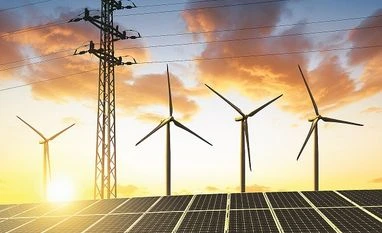 "Energy majors go for a major rethink")












 Connect with us on WhatsApp