The latest tax collection data suggests the final fiscal deficit number for 2020-21 will be lower than the revised estimate. Personal income tax collection, for instance, is reported to have grown 2.5 per cent, year-on-year, including refunds. However, corporate tax collection showed a decline of 6 per cent, pulling down gross direct tax collection by 2 per cent. While the government would be satisfied by the level of tax collection in the given circumstances, it should not miss the broader point. In a year when gross domestic product in nominal terms is expected to decline by about 4 per cent, the numbers suggest that income for the taxpaying population — which is a small minority — remained largely intact. Further, the national accounts data shows that the agriculture sector did reasonably well. This means income in the unorganised sector suffered disproportionately because of the pandemic and lockdowns. Although there is no direct way of supporting this segment, the government should be open to allocating more funds to the rural employment scheme, which will at least support migrants who are unable to return.
The new fiscal year is expected to be the year of recovery but the resurgence in Covid cases has increased risks. India reported over 93,000 new cases on Sunday. The situation is worrying, and the governments both at the Central and state levels should not ignore the 2020 experience and avoid making the same mistakes. It is clear that imposing hard lockdowns is not a solution. In fact, India has itself shown that it is possible to break the link between infection and mobility. Intermittent lockdowns and curfew in different parts of the country can affect supply chains and impede the recovery process. Besides, lockdowns tend to affect the income of the most vulnerable section of society.
Further, instead of stifling them, the government should use market forces in this fight. The Maharashtra government, for instance, has capped the rate for Covid tests, which could undermine the overall effort. In the case of vaccination as well, price caps would affect supplies. Additionally, the over-centralisation of the vaccination programme must end now. State governments should have the freedom to conduct the vaccination programme. The needs of large cities and small towns, for instance, are very different at the moment. If the virus is not contained in areas reporting higher numbers, it will spread to other parts and quickly overwhelm the medical infrastructure in smaller towns. The government should also consider ways to enable faster approval of reliable vaccines being used in other countries and can be produced in India.
In terms of economic recovery, despite the Covid surge, the data on economic activity from here on will show a sharp upswing because of a lower base. Policymakers would do well to not get carried away by YoY growth numbers. The data should be seen in proper context. It is likely that the Indian economy at the end of 2021-22 would be only marginally bigger than 2019-20. For now, the government should focus on securing an adequate supply of vaccines and scaling up the vaccination programme. A continued rise in infection will increase risks to economic recovery. Meanwhile, better than expected tax collection should be used to put the fiscal house in order. Higher levels of fiscal deficit and debt for an extended period can increase macroeconomic risks.
Read this article for free
Register to continue reading premium journalism and analysis from Business Standard.

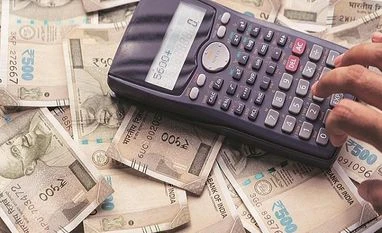 "Fresh risk to economy")












 Connect with us on WhatsApp