Google has announced an India-specific war chest of $10 billion, to be invested over five to seven years. The money will fund equity investment and partnerships to “accelerate digitisation”. Google thus joins Facebook, Qualcomm, sovereign funds, and sundry venture capital and private equity firms in focusing on India’s tech sector, which has become an attractive bet. Jio Platforms, an unlisted subsidiary of Reliance Industries, has been the biggest beneficiary, picking up more than $15 billion worth of investment over the past four months. There is speculation that Google may invest $4 billion to buy into Jio, which is seen as a potential one-stop shop with Reliance leveraging its dominance of telecom to carve out market share in entertainment, retail, social media, video conferencing, instant messaging, and fintech. However, there is money pouring into many other start-ups, and into India’s second-largest telecom services provider, Airtel.
The draft legislation has been pending since 2018, when the B N Srikrishna Committee submitted it, and has been amended by a Parliamentary committee. The new draft has no safeguards against blanket surveillance by government agencies. In addition, the government is pushing for complete access to non-personal data, which means the commercial secrets of businesses would be at risk. It would also like access to source codes of telecom equipment, including mobile devices, and has reportedly asked for social media data to be stored on local servers and deciphered on demand, breaking end-to-end encryption. These demands might retard the development of this huge market and put citizens’ privacy at risk. Therefore, the government should get the data protection law passed with adequate protection. A more robust legal framework will increase activity in the sector and attract investment.

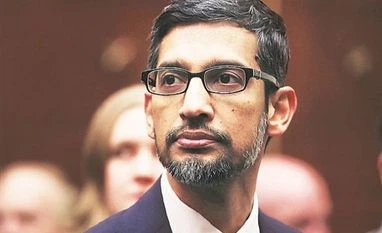 "Google's digitisation drive")












 Connect with us on WhatsApp