The second trend that needs to be noted is the asymmetrical movement in the cost and freight (C&F) incurred by refineries and the prices they charge the dealers while supplying them petrol and diesel. For instance, the C&F prices for petrol and diesel in April 2018 were Rs 31.08 and Rs 33.16 per litre, respectively. By the end of September, these C&F prices for both the products went up by 27-28 per cent. However, there was no commensurate increase in the prices that refineries charged from the dealers in the same period. The increase in the dealers’ April prices of Rs 35.05 and Rs 37.31 a litre for petrol and diesel, respectively, was much less at 20-21 per cent.
What this suggests is that the oil refineries have already squeezed their margins significantly. In April, the prices charged by the refineries from their dealers were higher than their C&F prices by about Rs 4 a litre for both petrol and diesel. But by the end of September, that difference has shrunk to about Rs 2-3 a litre. In other words, refineries have taken a hit by not passing on the entire cost of higher crude oil prices to the dealers. It is reasonable to assume that the refineries have not volunteered to squeeze their margins and instead were gently pushed to absorb the higher costs. So much for pricing freedom enjoyed by the country’s state-owned oil refiners!
Third, higher crude oil prices have already begun to strain the government’s finances as far as its subsidy bill on account of kerosene and cooking gas is concerned. According to one estimate, the annual petroleum subsidy bill for the current year may rise to Rs 414 billion, an increase of 62 per cent over Rs 255 billion in 2017-18. The government had budgeted for a petroleum subsidy expenditure of Rs 249 billion in 2018-19, assuming that the crude oil price will hover at around $65 a barrel and the dollar will rule at around Rs 65 during the current year. But both these projections have gone awry. The implications for the government’s fiscal deficit are serious.
So, what can the government do? Cutting excise duty on petrol and diesel can push the government’s finances into a bigger fiscal crisis. This is also no time for exploring the option of bringing petrol and diesel under the goods and services tax (GST) regime. Any transition to bring petrol and diesel under the GST has to be adequately thought through as this will have implications for tax collections, given the huge dependence of the Centre and states on these two items for their indirect tax revenues.

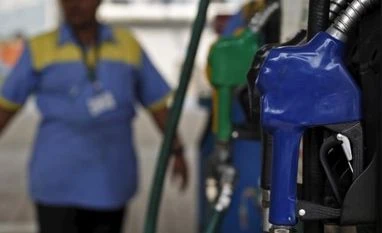 "Rise in fuel prices has made govt vulnerable; how can it manage oil risks?")










 Connect with us on WhatsApp