N Chandrasekaran's challenges

Dragging the Tatas into the 21st century will take more time
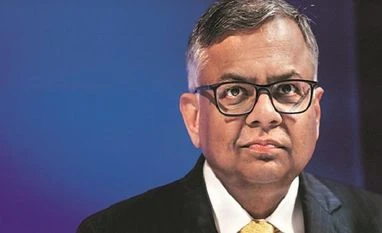
N Chandrasekaran, Tata sons
The TML group, Chandrasekaran says, will also look to unlock investment in various non-core businesses
Business Standard Editorial Comment New Delhi
3 min read Last Updated : Feb 25 2021 | 10:39 PM IST
When Natarajan Chandrasekaran took over the reins of Tata Sons four years ago, the group was under a cloud. The widely respected Tata group had suffered a major controversy, with the departure of Cyrus Mistry following a well-publicised rift with patriarch Ratan Tata. 

Mr  Chandrasekaran faced a daunting challenge — not just in repairing the group’s image, one of its most valuable properties, but also in dragging it into the 21st century. Mr Tata’s own stewardship of the group, through the liberalisation era, had involved many ambitious bets, especially on overseas expansion. But many of those loaded landmark group companies down with debt. Tata Steel was burdened with Corus; Tata Motors had bought Jaguar Land Rover; the group’s foray into the telecom sector meant it was exposed to that business’ policy instability and cut-throat competition. The companies operated in silos but nevertheless had an organisational structure that baffled outsiders.

Four years on, Mr Chandrasekaran can look back on a beginning well made. As this newspaper has reported, the group companies’ overall market capitalisation has doubled over the past four years, beating the Sensex. Even more important, a start has been made towards the restructuring of the group and harmonising its businesses. Yet a great deal remains to be done. The hole the group was in when Mr Chandrasekaran took over in 2017 was deep indeed. In fact, over the past four years, the group’s reliance on its only consistently profitable company, IT major Tata Consultancy Services, has only increased, with the company responsible for almost 80 per cent of the group companies’ combined increase in market capitalisation in the period of Mr Chandrasekaran’s chairmanship. Of course, some of the group companies faced significant sectoral headwinds in the period — Tata Steel, for example, had to deal with depressed steel prices, Chinese competition, and overall sectoral overcapacity. With the rise in commodity prices in recent months, Tata Steel’s share price has seen signs of life. Tata Motors also returned to profitability in the December 2020 quarter. But net debt continues to rise. Tata Steel has more than Rs 86,000 crore of net debt; for Tata Motors, the figure is almost Rs 55,000 crore; and for Tata Power, Rs 36,000 crore.

For the Tata group, there is only one way forward: Adapt or perish. The flagship companies in particular will have to change their systems and their growth models. Tata Motors, which has announced a new chief executive officer and managing director this month, has led the way with JLR’s promise to take Jaguar all-electric in three years. The group reportedly intends to get into mobile handset component manufacturing; and Tata Power has to focus on renewable build-out, where it is seeing solid earnings growth. But all this will, in the short term, mean more investment. JLR has laid out spending plans for electrification, which require $3.5 billion a year; Mr Chandrasekaran’s attempt to lure iPhone manufacturing to Tamil Nadu will reportedly require $1 billion in overseas loans. The group is also getting into online retail, with a similar figure being bandied about for a majority stake in BigBasket. The question going forward is: How different is this spending and reconstruction spree from what happened in the past? Much will depend on how much investors trust Mr Chandrasekaran to make the right calls about the future of the broader economy.


One subscription. Two world-class reads.

Already subscribed? Log in

Subscribe to read the full story →
*Subscribe to Business Standard digital and get complimentary access to The New York Times

Smart Quarterly

₹900

3 Months

₹300/Month

SAVE 25%

Smart Essential

₹2,700

1 Year

₹225/Month

SAVE 46%
*Complimentary New York Times access for the 2nd year will be given after 12 months

Super Saver

₹3,900

2 Years

₹162/Month

Subscribe

Renews automatically, cancel anytime

Here’s what’s included in our digital subscription plans

Exclusive premium stories online

  • Over 30 premium stories daily, handpicked by our editors

Complimentary Access to The New York Times

  • News, Games, Cooking, Audio, Wirecutter & The Athletic

Business Standard Epaper

  • Digital replica of our daily newspaper — with options to read, save, and share

Curated Newsletters

  • Insights on markets, finance, politics, tech, and more delivered to your inbox

Market Analysis & Investment Insights

  • In-depth market analysis & insights with access to The Smart Investor

Archives

  • Repository of articles and publications dating back to 1997

Ad-free Reading

  • Uninterrupted reading experience with no advertisements

Seamless Access Across All Devices

  • Access Business Standard across devices — mobile, tablet, or PC, via web or app

Topics :Natarajan ChandrasekaranTata sons chairman ChandrasekaranTata SonsTata groupCyrus MistryRatan TataCyrus Mistry exitTata Consultancy ServicesJaguar Land RoverTata MotorsTata SteelBigBasketReliance Industriesstock market

Next Story



