On August 28, 2017 — just days after the exit of R Seshasayee and Vishal Sikka from the Infosys board — N R Narayana Murthy wrote a long letter to the company’s shareholders. In the letter, he said “when there is a cloud around how the organisation is being governed, we must speak up.” He also advised the company management, “when in doubt, disclose without any hesitation as Infosys wants to remain the most respected corporation in the eyes of all stakeholders”.
Sound advice from one of India’s most respected voices from the corporate world. But there can certainly be a debate over whether Murthy walked the talk when earlier this month, Infosys took three weeks to inform shareholders of two whistleblower letters alleging unethical practices at the company. While Murthy was relentless in his criticism of the erstwhile company board and its CEO for not disclosing information to shareholders, his silence this time has been deafening. The counter argument is that Murthy is not commenting as he doesn’t want to speak out of turn especially when Infosys has a non-executive chairman. But the argument does not hold water as last time round, the company had a chairman in Seshasayee. That didn’t prevent Murthy from tearing him to pieces — publicly.
Last time, a whistleblower had alleged irregularities in the company’s $200-million acquisition of Israeli automation company Panaya. Murthy had questioned the board’s decisions, implicitly equating the inordinately high severance paid to former CFO Rajiv Bansal with “hush money”. He also often quoted the whistleblower letter that said Seshasayee had lied to shareholders about payments made to Bansal. This is apart from his allegation of poor governance practices of Sikka.
It’s a different matter altogether that internal and external inquiries unanimously cleared Sikka of misconduct. Previously, the law firm Gibson, Dunn & Crutcher had concluded that there was no incriminating evidence to suggest that Sikka or any other employee of Infosys had profited from the acquisition of Panaya in 2015. Infosys chairman Nandan Nilekani himself said the company had found no evidence of wrongdoing in the contentious Panaya deal in 2015, effectively handing a clean chit to Sikka and the previous board. This had raised further questions about the overhaul of the company’s previous board and top management. It’s also significant that the current board did not accede to Murthy’s demand that the full report by Gibson be made public.
The situation is not very different this time. A group of employees who identifed themselves as “Ethical Employees” wrote to the Infosys board and the US markets regulator alleging that CEO Salil Parekh engaged in accounting malpractice to inflate profits. It was only after media reports on the issue that the current Infosys chairman confirmed that one of the board members had received two anonymous letters in September, making “generalised allegations” and that both were placed before the audit committee on October 10.
That doesn’t take away from the fact that there was a long gap between the receipt of the complaint on September 30, and it being given to the audit committee. Stock exchanges were informed much later even though it was obvious that the information had the potential to influence the market price of the company’s stock. It’s true that Infosys has followed the letters of the law, and it said as much in a filing to the stock exchanges.

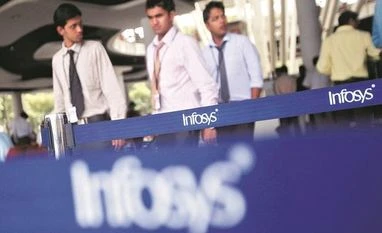 "Puzzling silence: Why has Narayana Murthy not spoken a word on Infosys?")










 Connect with us on WhatsApp