Healthy food options that diabetics can satiate their taste buds with

Foods low on glycemic index and high on fibre can be just as delectable as normal restaurant fare. And you needn't ditch your dessert, as there are plenty of diabetic-friendly options here too

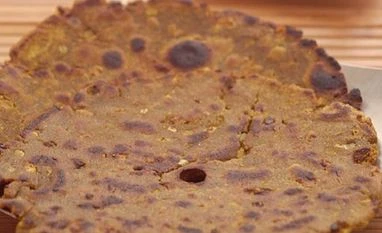
Thalipeeth
Methi Thalipeeth, a dish for diabetics, made from mixing bhajnee or multigrain flour with fenugreek leaves, turmeric, onion, salt, olive oil and low-fat natural yogurt
Namrata Kohli New Delhi
8 min read Last Updated : Sep 22 2019 | 8:17 PM IST
“Years ago I was diagnosed with type-1 diabetes,” says American singer, songwriter and actor, Nick Jonas. “But today I am happy and healthy, what with prioritising my physical health, working out, eating healthy and keeping my blood sugar in check.” Bollywood actress Sonam Kapoor, American actress Halle Berry, Pakistani cricketer Wasim Akram, actor Fawad Khan have all been dealing with one kind of diabetes or another.

Once a diabetic, forever a diabetic? Type-2 diabetes can be controlled without having to resort to oral hypoglycemic agents or insulin, if you can manage your blood sugar levels by modifying your diet and making lifestyle changes. While you won't be technically cured of type-2, you will likely lead a life free of medication and other complications if you stay focused on a disciplined lifestyle.

Eating right

Diet plays a key role in regulating blood sugar levels, says Delhi-based diabetologist, Anirban Biswas. But what exactly can you eat, whether at home or outside? Celebrity chef Sanjeev Kapoor recommends the inclusion of three “wonder ingredients” which are high on fibre and low on glycemic index. The first is fenugreek seeds soaked in water overnight and taken on an empty stomach next morning. You can add these crunchy bitter seeds to dosa batters and chappati dough. The second is roasted gram or sattu with which you can make a traditional Bihari style drink by adding black salt, roasted cumin powder, lemon and mint. You could also use the sattu to make paranthas and rotis. The third is barley or Jau which has plenty of dietary fibre that keeps you feeling full for a longer period of time and provides energy to get you through the day. It is nutritious, tasty and inexpensive, and can be used in a variety of recipes ranging from soups to khichdis and even a great risotto.

Ragi, or finger millets, is the go-to food for diabetics due to its minimal glucose content. Food retailers say the demand for ragi and ragi-based products is on the rise. Prashant Parameswaran, CEO and MD, Soulfull (an FMCG brand making everything from ragi bites to ragi flakes to millet muesli) calls the cereal “the forgotten superhero” whose consumption was till recently limited to traditional households. But its superfood status is slowly gaining momentum in urban India and today hotels, chefs, nutritionists and doctors have started advocating it. Parameswaran says the dietary fibre in ragi minimises sugar cravings and maintains the digestive pace, thus controlling blood sugar. “A Ragi roti is gluten-free and helps in weight loss while regular consumption of wheat rotis leads to weight gain,” he adds.

Barley Risotto is a wholesome healthy meal for diabetics made with button mushrooms, cauliflower and broccoli florets, green peas, small carrot and asparagus stalks

Dining out

What should a diabetic eat when dining out? The premise on which the food industry and restaurant business works is to make food tasty rather than healthy – it’s always about dollops of ice cream laden with strawberry sauce rather than fresh strawberries or the full cream yoghurt with added sugars rather than low-fat variant with less sugar. A diabetic meal must be low in carbohydrates and sugar, must have small quantities of healthy fat and proteins and most importantly, small portions of everything that enables the body to process the meal well and not result in sugar spikes.

Thinking about this huge lacuna in the food business with respect to choices for diabetics, Seema Pinto, Director Semora Entertainment Works, curated an alternate menu with restaurants pan-India when she launched her movement “The Diabetic Food Trail” in 2015. Sharing her experiences, Pinto says, "Restaurants were clueless about what made a diabetic meal. Even the salads and soups under the healthy menu weren't diabetic-friendly. So we spent a lot of time educating them on the ingredients and their usage while making a tasty meal for those with the disease.” 

She says she worked with over 40 Delhi-based restaurants such as Lavaash, Getafix, Junkyard Cafe and Bercos, which came up with excellent diabetic-friendly dishes that were low-carb, no-sugar versions inspired from their original menus. "They did have a separate menu then, but I'm not really sure if they still have a diabetic-friendly menu now," adds Pinto. Ragi bread bruschetta, vegetable steamed momos and grilled chicken satay, grilled cubes of spiced paneer, tandoori broccoli, chicken mince cabbage rolls and chicken chilly -- all of this was made without corn flour or Chinese sauces. Even the mocktails morphed into diabetic-friendly variants, as the regular sugary beverages are the worst thing someone with diabetes can have. Healthy beverages included pineapple mint fizz, low-fat buttermilk, kaffir lime leaf cooler, ginger chilli punch, minty papaya (mint breeze blended with papaya in a yoghurt base), root shoots and berry boost.

When dining out, watch out for keywords such as “baked, roasted and grilled,” advises Kapoor, who has co-authored a book called “Healthy Indian Cooking for Diabetes” that has over a hundred recipes. He advises patients to always opt for a soup and salad because they are usually healthy and fill you up just enough to avoid over eating later. While it’s important to know what to eat and it’s equally important to know what not to. Be mindful of the frills and munchies –chips and peanuts, lime sodas and aerated beverages. Also keep away from pickles and chutneys because they are high on salt and can increases your sodium levels significantly. 

"We think that they are just small tidbits but it makes a big difference. These foods usually have a high glycemic index and cause fluctuation in the blood sugar levels, so it’s best to avoid them," he adds.

Meals at home

At home, it’s easier to plan healthy food and one must opt for seasonal and fresh food. Eat in small portions and increase food frequency, says food blogger Archana Doshi, Founder-Archana's Kitchen. Avoid fast food and refined carbs, processed foods, sugary and starchy snacks, fruit juices, dried fruits, fatty meat, full-fat dairy and fried stuff. Include high-fibre food such as whole wheat, red rice, broken wheat, semolina, oats, ragi, pulses like chana dal and soya bean, leafy vegetables like fenugreek (methi), spinach and amaranth in your diet.

A common misnomer is that sugar is the only devil. Since carbohydrates also break down into sugar, they are equally avoidable. Physician and author Richard Bernstein has had type-1 diabetes since age 12, and did research and wrote six books on the disease, in which he advocated low-carbohydrate diet to achieve normal blood sugar -- maximum six grams for breakfast, 12 grams for lunch, 12 grams for dinner for a combined maximum of 30 grams of carbohydrate a day for a 140-pound patient. He says eight grams of carbs require one unit of regular insulin, and two ounces of protein food require one unit of regular insulin.

Don't ditch the sweets

Desserts aren't necessarily off-limits for diabetics. Surprised? Well, it’s ok to have small portions such as protein cheesecake, strawberry lemon popsicles, lemon posset. When 22-year-old Harsh Kedia was detected with diabetes at age 15, and was told that he couldn't eat sweets and food outside the house, he did not allow his setback to affect him. Instead he pushed the boundaries with a start-up café serving only diabetic desserts to illustrate that patients can eat everything. Today he runs a bakery in Mumbai and the city knows him as 'diabetic chef', making innovative healthy desserts. Kedia uses Stevia, a natural plant extract which he says is the healthiest available sugar substitute. He advises abstention from sugar-free Natura as it has certain components known to be harmful to health of individuals in the long run.

Of prices and weight loss

Is it expensive to eat healthy? Definitely outside home, there is a premium on “healthy” foods and most restaurants charge at least 25-40 per cent more than the regular food priced on their menu, says Pinto.

Finally, is weight loss diet the key to sugar control? For every 7-8 per cent weight reduction, there is a HbA1c level reduction by one per cent, says diabetologist Biswas. That said, the results are variable and weight loss is difficult to maintain as most patients plateau out after six months and even regain the kilos in spite of following a weight-loss diet and exercise plan. He says it is metabolic control more than weight loss which reduces insulin resistance and body fat percentage. Gaining lean muscle tissue through exercise and losing body fat at any age level in diabetics can give better and sustained outcomes. 

To summarise, as a diabetic all you need to do, as Kedia says, is “portion your meals, reduce your intake of carbohydrates, avoid direct sugar in any form and walk/dance as much as possible.” 

Typical meal plan for diabetics
Meal  Item Calorific Value Cost  (Rs)
Hot beverages    Tea, black coffee with sugar substitute stevia 10 70
Cold beverages  Pineapple mint fizz, low-fat buttermilk, Lemon Mojito with sugar free or stevia 120 150
Veg starter Tandoori paneer/broccoli 200 220
Non-veg starter Chilli chicken, fish tikka 250 350
Snack meal option-1 Upma/poha 250 120
Snack meal option-2     Steamed vegetable momos with soya coriander dipping sauce 50 160
Main course-1 Brown rice with vegetables 260 240
Main course-2 Grilled chicken with pepper and very little salt and broccoli and beans 180 375
Dessert option-1    Protein cheesecake/sugar-free ice-cream 180 140
Dessert option-2    Low-fat baked yoghurt flavoured with seasonal fruits 120 150


One subscription. Two world-class reads.

Already subscribed? Log in

Subscribe to read the full story →
*Subscribe to Business Standard digital and get complimentary access to The New York Times

Smart Quarterly

₹900

3 Months

₹300/Month

SAVE 25%

Smart Essential

₹2,700

1 Year

₹225/Month

SAVE 46%
*Complimentary New York Times access for the 2nd year will be given after 12 months

Super Saver

₹3,900

2 Years

₹162/Month

Subscribe

Renews automatically, cancel anytime

Here’s what’s included in our digital subscription plans

Exclusive premium stories online

  • Over 30 premium stories daily, handpicked by our editors

Complimentary Access to The New York Times

  • News, Games, Cooking, Audio, Wirecutter & The Athletic

Business Standard Epaper

  • Digital replica of our daily newspaper — with options to read, save, and share

Curated Newsletters

  • Insights on markets, finance, politics, tech, and more delivered to your inbox

Market Analysis & Investment Insights

  • In-depth market analysis & insights with access to The Smart Investor

Archives

  • Repository of articles and publications dating back to 1997

Ad-free Reading

  • Uninterrupted reading experience with no advertisements

Seamless Access Across All Devices

  • Access Business Standard across devices — mobile, tablet, or PC, via web or app

Topics :diabeticDiabetes in India

Next Story





