UP elections 2017: Why are party symbols like cycle so important in polls?

Conflicts over party emblems are commonplace in India, where many voters are illiterate
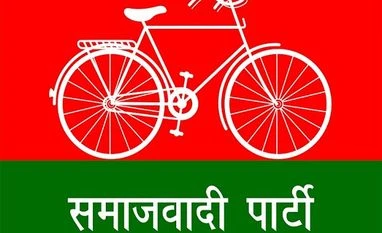
Photo: Wikipedia
Photo: Wikipedia
Krishna Pokharel
Last Updated : Jan 20 2017 | 9:15 AM IST
A familiar Indian political saga played out in the country this month, as two factions of a party squabbled over what emblem to identify themselves with for upcoming state elections.

In a democracy of over 1.2 billion people, many of whom are still illiterate and identify their choice on the ballot paper by the symbol adopted by the party, the answer has more than symbolic importance.

In the case of Uttar Pradesh, India’s largest state, a bloc of the ruling Samajwadi Party is hoping to pedal to success using the symbol of a bicycle in regional polls that start next month.

The Election Commission of India ruled earlier this week that the right to use the name of the Samajwadi Party, or the Socialist party, and its logo—the bicycle–belonged to Akhilesh Yadav, the incumbent chief minister of Uttar Pradesh, and not his father and party founder Mulayam Singh Yadav.

The Yadav father and son have been dueling over control of the party, each claiming to be its head, since it split earlier this month. At the center of the contention was whose faction gets to use the bicycle, the party’s logo since its inception in 1992.

The Election Commission of India said the group led by younger Akhilesh Yadav is the genuine Samajwadi Party and “is entitled to use its name and (the) reserved symbol ‘bicycle’” because it had the support of the majority of the party cadre.

Jostling over political symbols is an established trend in India, especially when parties split.

The emblems are valuable because they could be used to solicit voters’ loyalty that would have taken years to cultivate.

Congress, the current national main opposition party, has had to choose new symbols in the past after party splits. It settled for its current symbol–an open palm, which a party leader said stands for hard work and toil–ahead of the 1980 elections.

Prime Minister Narendra Modi’s Bharatiya Janata Party meanwhile has retained its original election symbol– the lotus flower, that epitomizes creativity and prosperity in Hinduism–since its formation in 1980.

The bicycle has significant brand value for the Samajwadi Party, which has its voter base in the mostly rural and agrarian Uttar Pradesh, where the human-powered vehicle is one of the most-favored and affordable means of transportation. To connect to voters, the party’s leaders often cycle during campaigns and distribute bikes to their supporters.

The party says on its website that it “gives immense importance to the development of common man and thus adopted the vehicle of the common man–a bicycle as its symbol.”

One subscription. Two world-class reads.

Already subscribed? Log in

Subscribe to read the full story →
*Subscribe to Business Standard digital and get complimentary access to The New York Times

Smart Quarterly

₹900

3 Months

₹300/Month

SAVE 25%

Smart Essential

₹2,700

1 Year

₹225/Month

SAVE 46%
*Complimentary New York Times access for the 2nd year will be given after 12 months

Super Saver

₹3,900

2 Years

₹162/Month

Subscribe

Renews automatically, cancel anytime

Here’s what’s included in our digital subscription plans

Exclusive premium stories online

  • Over 30 premium stories daily, handpicked by our editors

Complimentary Access to The New York Times

  • News, Games, Cooking, Audio, Wirecutter & The Athletic

Business Standard Epaper

  • Digital replica of our daily newspaper — with options to read, save, and share

Curated Newsletters

  • Insights on markets, finance, politics, tech, and more delivered to your inbox

Market Analysis & Investment Insights

  • In-depth market analysis & insights with access to The Smart Investor

Archives

  • Repository of articles and publications dating back to 1997

Ad-free Reading

  • Uninterrupted reading experience with no advertisements

Seamless Access Across All Devices

  • Access Business Standard across devices — mobile, tablet, or PC, via web or app

Next Story



