
UP polls to inject Rs 2,000 crore in electioneering by candidates
Actual expenditure can be higher, since parties are free to spend on holding rallies, meetings
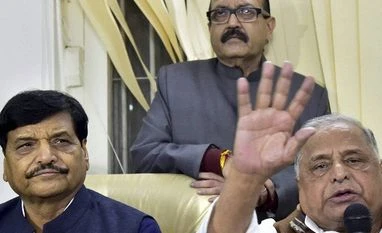 "UP polls to inject Rs 2,000 crore in electioneering by candidates")
premium
Explore Business Standard
Actual expenditure can be higher, since parties are free to spend on holding rallies, meetings
The coming assembly election in Uttar Pradesh during February-March 2017 is likely to inject almost Rs 2,000 crore of accounted expenditure in the state economy through canvassing and electioneering by different candidates.
The figure has been arrived by taking 2012 UP poll as the base, when 6,839 candidates had contested the election for 403 state legislative assembly seats.
The Election Commission (EC) has fixed the poll expenses ceiling of Rs 28 lakh on individual candidates for 2017 UP poll, up from the corresponding figure of Rs 16 lakh for the 2012 election, a hike of 75 per cent in the ceiling.
Taking the conservative figure of an equal number of candidates contesting UP poll this time and multiplying the same by the ceiling fixed by EC, the cumulative expenditure by all the candidates adds up to about Rs 2,000 crore.
Interestingly, there was a jump of over 52 per cent in the number of candidates fighting 2012 UP poll compared to 2007, when a total of 4,487 candidates had contested on different party tickets or as independents.
However, the actual poll is much higher than the EC ceiling and has been estimated at 5-10 times by experts and retired bureaucrats. The candidates have to spend towards their aides, volunteers and party workers in the run-up to elections, besides incurring for publicity, canvassing, vehicles, election office, snacks, tents etc.
Besides, the actual expenditure in accounted money could still be much higher, since the political parties are free to legitimately incur separate expenditure in holding political rallies and public meetings in support of their candidates. This expenditure is treated in isolation to the respective candidates' expenditure.
The recent demonetisation has squeezed the cash availability in the economy and is likely to put a tab on unaccounted funds finding its way to polls preparation and canvassing. Demonetisation could even limit the number of candidates fighting poll as independents, yet the actual impact would be known only post elections.
The EC has set up strict guidelines with regards to poll expenses and mandated the candidates to operate a separate bank account to reflect their expenditure for audit.
UP election would span 7 phases with voting between February 11 and March 8, 2017. Nearly 150 million electorates would be eligible to cast their vote.
Already subscribed? Log in
Subscribe to read the full story →

3 Months
₹300/Month
1 Year
₹225/Month
2 Years
₹162/Month
Renews automatically, cancel anytime

Over 30 premium stories daily, handpicked by our editors


News, Games, Cooking, Audio, Wirecutter & The Athletic
Digital replica of our daily newspaper — with options to read, save, and share


Insights on markets, finance, politics, tech, and more delivered to your inbox
In-depth market analysis & insights with access to The Smart Investor


Repository of articles and publications dating back to 1997
Uninterrupted reading experience with no advertisements


Access Business Standard across devices — mobile, tablet, or PC, via web or app
First Published: Jan 09 2017 | 6:59 PM IST


