Big drop in Islamic State's Twitter traffic: US
Memes and images depicting the group's treatment of women, children and others are presented almost entirely in Arabic
APPTI Washington The Islamic State group's Twitter traffic has plunged 45 per cent in the past two years, the Obama administration says, as the US and its allies have countered messages of jihadi glorification with a flood of online images and statements about suffering and enslavement at the hands of the extremist organisation.
Among the images are: A teddy bear with Arabic writing and messages saying IS "slaughters childhood," "kills innocence," "lashes purity" or "humiliates children." A male hand covering a female's mouth, saying IS "deprives woman her voice."
A woman in a black niqab (veil), bloody tears coming from a bruised eye, and the caption: "Women under ISIS. Enslaved. Battered. Beaten. Humiliated. Flogged."
US officials cite the drop in Twitter traffic as a sign of progress toward eliminating propaganda they blame for inspiring attacks around the world.
When the US formed an international coalition in September 2014 to fight IS, the administration outlined multiple goals: military action and cutting off foreign fighters and finances, confronting the group's extremist ideology and stemming the militants' growing popularity in the Arab world and beyond.
The messaging element of the campaign struggled early on. Much of the anti-IS content put online was in English, limiting its effectiveness. At the time, social media networks were only getting started with new technological approaches to the challenge of disabling accounts that were recruiting and radicalizing prospective IS members.
These shortcomings have been fixed, American officials believe. Memes and images depicting the group's treatment of women, children and others are presented almost entirely in Arabic. Whereas the US previously blasted the information out itself, it disseminates messages now through Muslim governments, religious leaders, schools, youth leaders and advocacy groups with credibility in local communities. Data show the proliferation of IS propaganda decreasing.
"We're denying ISIL the ability to operate uncontested online, and we're seeing their social media presence decline," said Michael Lumpkin, head of the Global Engagement Center, which coordinates the US government's approach to fighting extremist messaging.
Using an alternate acronym for the group, he said "anti-ISIL audiences are increasingly vocal on social media. This only weakens ISIL's ability to recruit, a key aim of our messaging efforts."
Data obtained by The Associated Press show a 6-1 ratio of anti-IS content online compared with pro-IS content - an improvement from last year. When pro-IS Twitter accounts are discovered today, they have about 300 followers each. In 2014, such accounts had 1,500 followers each, according to the data.
Among social networks, the administration has primarily focused on Twitter. The platform has been most heavily used by IS to crowdsource supporters and potential attackers, though it also has used YouTube and Facebook.

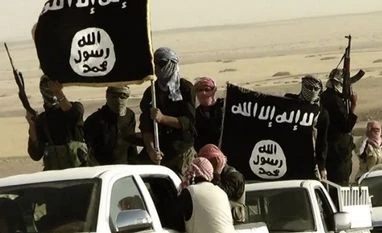 "Big drop in Islamic State's Twitter traffic: US")


 Connect with us on WhatsApp