Home / India News / Soon, senior citizens could sue children-in-law for not looking after them
Soon, senior citizens could sue children-in-law for not looking after them
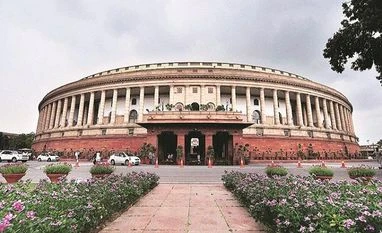
The Maintenance and Welfare of Parents and Senior Citizens (Amendment) Bill, 2019, which has been cleared by the Union Cabinet and is likely to be introduced in Parliament soon
Violators of the law could be punished with a minimum fine of Rs 5,000 or three months jail term or both.
2 min read Last Updated : Dec 05 2019 | 5:26 PM IST
A draft Bill to amend the Maintenance and Welfare of Parents and Senior Citizens Act, 2007 has provisions to arraign sons-in-law and daughters-in-law if they fail to look after their aged in-laws and provide monthly maintenance.
The Maintenance and Welfare of Parents and Senior Citizens (Amendment) Bill, 2019, which has been cleared by the Union Cabinet and is likely to be introduced in Parliament soon, also removes the cap of Rs 10,000 as maximum maintenance.
Now those who earn more should pay more to their parents as maintenance.
Violators of the law could be punished with a minimum fine of Rs 5,000 or three months jail term or both.
Some features added in the Bill include preference to applications of those senior citizens above 80-years old if they lodge a complaint about their neglect by their children or non-payment of maintenance.
All senior citizens homes/home care service agencies should register themselves with the authorities concerned, the Bill mandates.
Similarly there would be minimum standards prescribed for senior citizen care homes as per the draft Bill.
There would be nodal officers for senior citizens in every police station or district level special police unit to hear their grievances.
A dedicated helpline number would be available for senior citizens in every state to convey their problems.
The definition 'maintenance' has been expanded to include safety and security of the parents besides taking care of their food, clothing, housing and health care obligations.
If senior citizens are neglected or not maintained by their children or their sons-in-law or daughters-in-law, they could approach maintenance tribunal for justice.
This is the first major amendment to the legislation implemented in 2007.

 "Soon, senior citizens could sue children-in-law for not looking after them")

