
Domestic issues important, but we'd love to see India in RCEP: NZ minister
As many as 16 countries -- 10-nation bloc ASEAN and its six trading partners including India -- were negotiating the free-trade pact RCEP
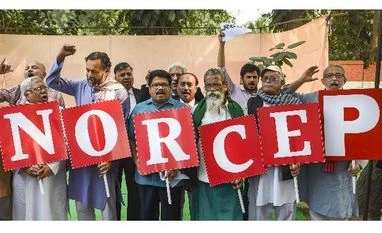 "Domestic issues important, but we'd love to see India in RCEP: NZ minister")
Explore Business Standard

Associate Sponsors
Co-sponsor
As many as 16 countries -- 10-nation bloc ASEAN and its six trading partners including India -- were negotiating the free-trade pact RCEP
New Zealand would love to see India as part of the RCEP agreement, its Minister of State for Trade and Export Growth Damien O'Connor said on Wednesday, days after New Delhi decided not to join the China-backed mega trade deal.
On Monday, Prime Minister Narendra Modi in Bangkok had said India will not join the Regional Comprehensive Economic Partnership (RCEP) as negotiations failed to satisfactorily address the country's "outstanding issues and concerns".
As many as 16 countries -- 10-nation bloc ASEAN and its six trading partners including India -- were negotiating the free-trade pact RCEP.
India has, however, indicated that it was open for negotiations if the member countries of RCEP would come up with a better offer which can address concerns and provide greater market access for the domestic industries.
"We would love to see India as part of the RCEP agreement. We understand the sensitivities here domestically and we have committed all 15 countries to work with India through those before a final agreement can be reached," said O'Connor, who is also RCEP chief negotiator from New Zealand.
During RCEP negotiations, India had adopted a tough stand on issues like balancing huge trade deficit with countries like China; a mechanism to check sudden surge in imports or dumping goods; strong norms for rules of origin; that base year for reduction of duties should be 2019 instead of 2014; and unfair trade practices.
Among other issues, Indian dairy producers had raised apprehensions that the trade pact would lead to surge in imports of milk and related items especially from New Zealand and Australia, the two parties in the RCEP.
Talking to reporters on the sidelines of a CII event, O'Connor said dairy products form the biggest exports from New Zealand.
Dairy is very important for New Zealand, but the total production can feed only 40 million people, the visiting minister said.
"So we are a very small part of total global production. India's dairy industry is significantly larger than ours and the only time that we have exported to India has been to complement your production in times of drought or when the industry needs it.
"The only areas that we would focus on would be high value dairy products to complement what the dairy farmers in India are producing," he said, apparently to assuage concerns of the local dairy farmers here.
(Only the headline and picture of this report may have been reworked by the Business Standard staff; the rest of the content is auto-generated from a syndicated feed.)
First Published: Nov 06 2019 | 3:35 PM IST

