
More frequent attacks on Western countries lifts demand for specialist insurance
Rising risks from such incidents are driving up demand for specialist insurance to cover losses stemming from such events, putting upward pressure on premiums
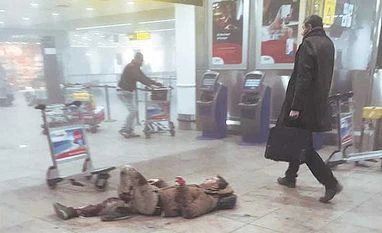 "More frequent attacks on Western countries lifts demand for specialist insurance")
WebinarsNew
Deep DiveNew
Explore Business Standard
Rising risks from such incidents are driving up demand for specialist insurance to cover losses stemming from such events, putting upward pressure on premiums
Rising risks in developed countries after a string of deadly attacks are driving up demand for specialist insurance to cover losses stemming from such events, putting upward pressure on premiums, underwriters and brokers say.
Insurers have generally excluded the risks of such attacks from standard property, event cancellation or travel insurance policies since the 9/11 attacks in New York in 2001, though customers can ask for the addition of specialist cover known in the industry as "terrorism insurance".
Attacks in Paris, Istanbul and San Bernardino in California in the past year had made company boards increasingly concerned about safety even before this week's attacks in Brussels, said Tarique Nageer, of broker Marsh.
"We have seen a change in demand as more of these events have occurred in more developed countries," said Nageer, who heads Marsh's New York department specialising in cover against such events.
The number of attacks and fatalities has risen sharply since 2011, insurance broker Jardine Lloyd Thompson said in a report published on Thursday, adding that the likelihood of further major attacks is expected to remain high.
The economic costs of the Paris attacks in November, which killed 130 people, were between $9 billion and $12 billion, the report said, though it added that insurance payouts on property losses are "likely to be minimal".
Cover for such events allows the largest companies to recoup losses ranging from about $250 million to $1 billion, according to Russell Kennedy, a divisional director at insurer Brit.
Other specialists in the sector have noticed a significant increase in demand for cover.
"The take-up of terrorism insurance has increased since Paris, that is definitely the case," said Julian Enoizi, chief executive of British specialist reinsurance fund Pool Re.
Rising demand has come from event organisers, as well as hotels, catering companies and breweries that supply the events, said Rob Montgomery, senior underwriter for contingency at insurance firm Ark.
"The higher demand, combined with the greatly increased exposure, is causing rates to rise," he said.
First Published: Mar 25 2016 | 2:01 PM IST

