
US lifts ban on foreign units of American companies operating in Iran
The move will give US companies the chance of gaining a toehold in Iran
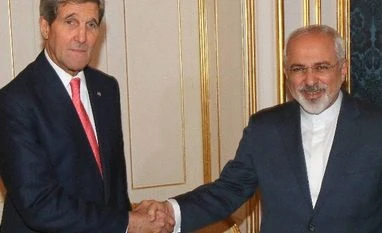 "US lifts ban on foreign units of American companies operating in Iran")
Explore Business Standard
The move will give US companies the chance of gaining a toehold in Iran
The United States will allow foreign subsidiaries of American companies to trade with Iran as part of sanctions relief granted under an international nuclear deal, the U.S. Treasury Department said on Saturday.
The move will give U.S. companies the chance of gaining a toehold in Iran. With a large population and ample energy resources, the country is expected to create tens of billions of dollars worth of business for local and foreign companies as sanctions are lifted.
U.S. citizens and companies are otherwise banned from trading with Iran, with few exceptions, by American sanctions that will remain in place even after the nuclear deal.
But the new policy will allow American parent companies to provide technology systems, such as email and accounting software, to units active in Iran.
Foreign subsidiaries of U.S. companies were allowed to operate in Iran until 2012, when Congress expanded sanctions on Tehran. But worsening tensions with the West had already driven out most foreign subsidiaries by the late 2000s, said Peter Harrell, a former senior sanctions official at the U.S. State Department.
Now, Harrell said, the signing of the nuclear deal, and the U.S. blessing on providing back office tech services to units in Iran, may encourage American multinationals to return.
"There are any number of companies that have been thinking about business in Iran," said Harrell, who is now a fellow at the Center for a New American Security. "They are going to have to weigh political and reputational risks."
And the inability of those foreign units to trade money back into dollars in the United States will likely dissuade many firms, said Adam M. Smith, a former senior adviser on sanctions at the U.S. Treasury Department.
"If you are a foreign subsidiary and you roll up profits into U.S. dollars, you can't do that," said Smith, now an attorney at Gibson, Dunn & Crutcher LLP in Washington. "U.S. companies are going to have to think very long and hard about whether they want to benefit."
First Published: Jan 17 2016 | 9:41 AM IST


