Microsoft to bring OpenAI's chatbot tech to Outlook, Word, Power Point

AI-powered assistants called Copilots will be able to generate whole documents, emails and slide decks from knowledge the software has gained scanning corporate files and listening to conference calls

ChatGPT, OpenAI
Photo: Bloomberg
Bloomberg
5 min read Last Updated : Mar 16 2023 | 10:00 PM IST
By Dina Bass and Emily Chang

Microsoft Corp.’s effort to overhaul its entire lineup with OpenAI technology has spread to one of the company’s oldest and best-known products: its Office apps.

The software, including Excel, PowerPoint, Outlook and Word, will begin using OpenAI’s new GPT-4 artificial intelligence platform, Microsoft said on Thursday. AI-powered assistants called Copilots will be able to generate whole documents, emails and slide decks from knowledge the software has gained scanning corporate files and listening to conference calls. The technology will debut in the coming months, and Microsoft is already testing it with 20 companies, including eight in the Fortune 500 that it declined to name.


“This is the big next step for us —  to put it in the tools everybody uses every day for their work,” Chief Executive Officer Satya Nadella said in an interview. The new technology will help people create “great content, great documents, great PowerPoints, art,” he said, as well as do sophisticated analysis using natural language queries.

The move is part of a stampede of companies adding AI chatbot features to their technology. OpenAI, backed by Microsoft, has fueled much of the frenzy with its ChatGPT tool, which went viral in recent months and demonstrated the power — and potential pitfalls — of chatbot technology. The startup just unveiled GPT-4, the latest iteration of the underlying software, earlier this week.

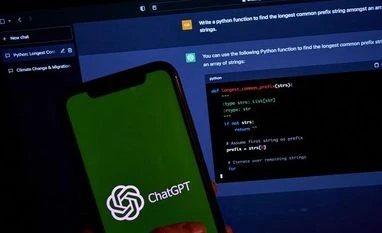
Microsoft has already been using the system in its Bing search preview for several weeks. After several reports that the included chatbot was generating freewheeling conversations that some found strange or belligerent, the company began restricting its responses.

Microsoft, which is investing more than $10 billion in OpenAI, also has released Copilot software for sales and customer applications, as well as a product from its GitHub unit for writing programming code. And its biggest rival in office software, Alphabet Inc.’s Google, announced its own plans this week to use AI tools for things like creating presentations, taking notes during meetings and drafting emails.

Microsoft-owned LinkedIn, meanwhile, said on Wednesday that it will use OpenAI’s language technology to help users create a more compelling profile on the professional networking site.  

Of course, Microsoft has a long history of developing assistants for office work — and it hasn’t always gone smoothly. A tool known as “Clippy” was a source of ridicule in the ’90s and early ’00s, and many users switched it off. The company has tried many different approaches since then.

The advantage of the new technology is its ability to handle natural language requests, Nadella said. The software includes an app called Business Chat that acts as a combination chatbot and personal assistant for office workers. Using plain English queries, it can be asked to summarize a recent meeting, find upcoming milestones for a project, list risks for a planned strategy and suggest how to mitigate those hazards.

The chatbot can then turn that risks and mitigation plan into an email and create a slideshow to present the plan. The software also has design features so the worker can ask for slides that are lighter or more fun and it will make changes. Within Word, the technology can suggest ways that the worker could rewrite documents to make them better.

The company demonstrated the technology in a webcast event, and some customers will get access to Business Chat on Thursday inside of Microsoft’s Teams conferencing software.

That presentation itself was generated using AI tools. Microsoft asked the assistant for ideas on how to design its own launch event and what sorts of demonstrations to show. The plan was good enough that the team used about 60% of the material, said Jared Spataro, Microsoft’s vice president overseeing its Modern Work and Business Applications unit.

The technology also provides transparency about where it found the information it uses, Microsoft said. When the bot creates a plan or an email, it embeds links to the relevant files so workers can see more clearly how the Copilot arrived at its conclusions. One criticism of AI chatbots has been that they serve up information that can’t be easily verified.

Another key advantage is the assistant’s ability to pull together data that’s currently in different silos, Nadella said. 

“I can say, ‘Oh, I’m going to meet this customer. Can you tell me the last time I met them? Can you bring up all the documents that are written up about this customer and summarize it?’” he said.

But the new Office assistant, like others of its kind, makes mistakes. 

“It does a lot of amazing things and gets a lot of things right, but it doesn’t get everything right,” said Jon Friedman, a Microsoft vice president who oversaw the design of the assistant. That’s why it’s key that humans have control over the process and how content is used, he said.

The software is designed to remind users to check the AI work, Friedman said. If a worker shares a bot-generated file without editing or altering it, the software makes it clear to other users that it was authored by a Copilot. 

“Just like any time somebody sends me a draft — I review the draft,” Nadella said. “I just don’t accept the draft.”

One subscription. Two world-class reads.

Already subscribed? Log in

Subscribe to read the full story →
*Subscribe to Business Standard digital and get complimentary access to The New York Times

Smart Quarterly

₹900

3 Months

₹300/Month

SAVE 25%

Smart Essential

₹2,700

1 Year

₹225/Month

SAVE 46%
*Complimentary New York Times access for the 2nd year will be given after 12 months

Super Saver

₹3,900

2 Years

₹162/Month

Subscribe

Renews automatically, cancel anytime

Here’s what’s included in our digital subscription plans

Exclusive premium stories online

  • Over 30 premium stories daily, handpicked by our editors

Complimentary Access to The New York Times

  • News, Games, Cooking, Audio, Wirecutter & The Athletic

Business Standard Epaper

  • Digital replica of our daily newspaper — with options to read, save, and share

Curated Newsletters

  • Insights on markets, finance, politics, tech, and more delivered to your inbox

Market Analysis & Investment Insights

  • In-depth market analysis & insights with access to The Smart Investor

Archives

  • Repository of articles and publications dating back to 1997

Ad-free Reading

  • Uninterrupted reading experience with no advertisements

Seamless Access Across All Devices

  • Access Business Standard across devices — mobile, tablet, or PC, via web or app

Topics :Satya NadellaMicrosoftChatbot

Next Story




