Delhi HC appoints receiver for 95 EVs leased to BluSmart amid dispute
The Delhi HC appointed a receiver to oversee 95 EVs leased to BluSmart Cabs by Clime Finance, restricting Gensol from creating third-party rights amid a lease payment dispute
Rimjhim Singh New Delhi The Delhi High Court on Tuesday appointed a ‘receiver’ to take custody of 95 electric vehicles leased to BluSmart Cabs by Clime Finance Private Limited. The court also placed a restraint on Gensol, preventing the creation of third-party rights over the fleet, LiveLaw reported.
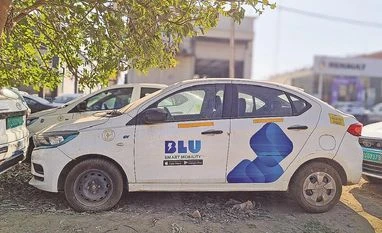
Justice Jyoti Singh, who passed the order, deemed it necessary to appoint a receiver to manage the leased electric vehicles. The receiver's role is limited to overseeing the proper maintenance of the vehicles, including ensuring they are adequately charged to avoid battery drainage. However, the court clarified that the receiver would not physically remove the cars from their current parking locations but would take “deemed custody” of them, the news report said.
“The receiver will take charge of the vehicles and ensure that they are properly charged to avoid drainage of the batteries,” Justice Singh said, adding that the receiver should not remove the vehicles but only manage their upkeep.
Lease dispute over EV fleet
The case was brought before the court under Section 9 of the Arbitration and Conciliation Act, 1996. Clime Finance, the petitioner, leased 95 Tata electric vehicles to Gensol entities in 2022 for use in BluSmart’s cab and ride-share services. Clime Finance argued that it had “absolute and paramount rights” over the vehicles for the duration of the three-year lease.
Clime Finance claimed that Gensol and BluSmart had defaulted on lease rental payments due in March 2025, leading to the issuance of legal notices. The petitioner also expressed concerns that Gensol and BluSmart had ceased operations, potentially leaving the leased fleet unprotected. Clime Finance further asserted its contractual rights to repossess the vehicles in case of default, the news report said.
Court’s interim directions
After hearing the arguments, the
Delhi High Court restrained Gensol and BluSmart from selling, alienating, or creating third-party rights over the 95 Tata electric vehicles. It granted the receiver authority to maintain the vehicles, including ensuring they are periodically charged, but prohibited physical possession or removal. The court instructed Gensol and BluSmart not to interfere with the receiver’s duties, with police assistance available if needed.
Additionally, the receiver's fee was set at ₹5 lakh, and periodic reports on the vehicles' condition and maintenance were mandated.
The case will be taken up again in July for further proceedings.
Previous court order on Orix-leased vehicles
Last week, the court had issued a similar order restraining Gensol Engineering Limited and BluSmart Mobility from alienating or creating third-party rights over 175 electric vehicles leased to them by Japanese financial services giant Orix.
BluSmart Mobility, India’s first all-electric ride-hailing service, operates differently from traditional models. Instead of vehicle owners or drivers financing their cars, BluSmart leases its fleet from financiers like Orix. Drivers are employed on a salaried basis, and BluSmart is responsible for the fleet’s management, including charging infrastructure and maintenance.
Regulatory scrutiny on Gensol Engineering
This comes amid increasing regulatory scrutiny on Gensol Engineering. Earlier this month, the Securities and Exchange Board of India (Sebi) issued a show cause notice to Gensol, accusing the company of corporate governance violations, including failure to disclose related-party transactions with BluSmart and other group companies.
Sebi also launched an investigation into discrepancies in Gensol’s financial statements, including concerns over revenue recognition practices and inadequate disclosures regarding contingent liabilities.
Additionally, certain Gensol officials have been barred from accessing the securities market while the investigation continues. The regulatory action has caused considerable volatility in Gensol’s stock, impacting investor sentiment.

 "Delhi HC appoints receiver for 95 EVs leased to BluSmart amid dispute")

