Zomato to support 300,000 restaurants, empower 1 mn gig workers by 2030

The company aims to facilitate 100 per cent of its deliveries through EVs by 2033 and carry out the delivery of 100 million plastic-free food orders by 2025
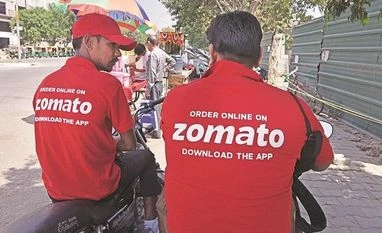
zomato, zomato delivery partners
Aryaman Gupta New Delhi
2 min read Last Updated : Jan 17 2024 | 10:58 PM IST
Food delivery major Zomato on Wednesday announced its comprehensive sustainability goals for 2030, with the aim of “responsible and sustainable business growth while creating value for all its stakeholders.”

Crafted around eight identified themes, Zomato has outlined specific and measurable targets to achieve its goals by the year 2030. These include supporting the growth of 300,000 restaurant businesses and food entrepreneurs, empowering 1 million gig workers, and supporting 300 million meals for underprivileged women and children, among others.

“Over the years, gig work has democratised access to livelihoods by reducing entry barriers and providing improved income prospects for lakhs of people in India. Today’s conference and the release of Zomato’s goals for 2030, reinforces our commitment to protect and ensure sustainable growth of the platform economy and all its stakeholders,” said Rakesh Ranjan, CEO - Food Delivery, Zomato.

Announced on the sidelines of the Sustainability and Inclusivity: Role of the Platform Economy Conference, Zomato’s eight identified sustainability themes are aligned with its vision of ‘‘better food for more people,” the company said.

The company aims to facilitate 100 per cent of its deliveries through electric vehicles (EVs) by 2033 and carry out the delivery of 100 million plastic-free food orders by 2025.

“Platform economy has become increasingly important for creating livelihood opportunities, providing social security and welfare benefits for gig workers,” said Ramesh Krishnamurthi, Additional Secretary, Ministry of Labour and Employment, Government of India.

“From a sustainability perspective, the government’s push towards EV adoption has received commitment by platforms including Zomato, that is looking at facilitating 100 per cent deliveries through EVs leading to net zero emissions across the food ordering and delivery value chain by 2033, which is laudable,” he added.


*Subscribe to Business Standard digital and get complimentary access to The New York Times

Smart Quarterly

₹900

3 Months

₹300/Month

SAVE 25%

Smart Essential

₹2,700

1 Year

₹225/Month

SAVE 46%
*Complimentary New York Times access for the 2nd year will be given after 12 months

Super Saver

₹3,900

2 Years

₹162/Month

Subscribe

Renews automatically, cancel anytime

Here’s what’s included in our digital subscription plans

Exclusive premium stories online

  • Over 30 premium stories daily, handpicked by our editors

Complimentary Access to The New York Times

  • News, Games, Cooking, Audio, Wirecutter & The Athletic

Business Standard Epaper

  • Digital replica of our daily newspaper — with options to read, save, and share

Curated Newsletters

  • Insights on markets, finance, politics, tech, and more delivered to your inbox

Market Analysis & Investment Insights

  • In-depth market analysis & insights with access to The Smart Investor

Archives

  • Repository of articles and publications dating back to 1997

Ad-free Reading

  • Uninterrupted reading experience with no advertisements

Seamless Access Across All Devices

  • Access Business Standard across devices — mobile, tablet, or PC, via web or app

More From This Section

Topics :Zomatorestaurantsgig economyFood delivery in India

First Published: Jan 17 2024 | 10:58 PM IST

Next Story