2 min read Last Updated : Feb 14 2026 | 5:25 PM IST
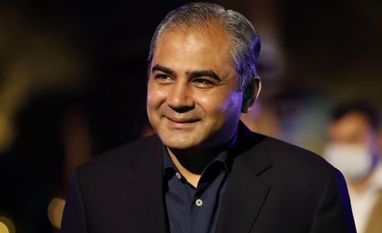
Pakistan Cricket Board (PCB) Chairman Mohsin Naqvi is set to be in Colombo for Sunday’s high-profile Group A T20 World Cup match between Pakistan and India at the R Premadasa Stadium. His visit is expected to include discussions with ICC officials following a brief boycott threat that had cast uncertainty over the marquee fixture.
Senior PCB officials to accompany Naqvi
Alongside Naqvi, senior PCB figures including Pakistan Super League CEO Salman Naseer and COO Sumair Ahmed will travel to Sri Lanka for the encounter. According to sources, the focus of the visit will be talks with ICC Chairman Jay Shah and other officials to mend relations after the recent boycott controversy.
“The Sri Lankan board has invited representatives from multiple boards, but Naqvi’s primary goal is to engage with ICC officials and restore dialogue following the boycott incident,” a source revealed.
Tensions arose earlier this month when the Pakistan government instructed its team not to play against India in Colombo, echoing Bangladesh’s refusal to travel to India over security concerns. Bangladesh were subsequently replaced by Scotland in the World Cup lineup.
After several days of diplomatic and cricket board discussions involving the PCB, ICC, and Bangladesh Cricket Board, Pakistan reversed its decision and confirmed participation in the India match.
Collaborative Talks on the Sidelines
Top officials from the Indian and Bangladesh boards are also expected in Colombo, raising the possibility of an informal meeting with ICC leadership during the event.
Prior to departing for Sri Lanka, Naqvi met with Prime Minister Shahbaz Sharif on Friday to review Pakistan’s cricket policy and its relationship with international boards. The source added, “With clearance from the Premier, Naqvi will be well-positioned to hold productive talks in Colombo.”
Earlier, Naqvi had met in Lahore with Bangladesh Cricket Board chief Aminul Islam and ICC deputy chair Imran Khwaja, which paved the way for Pakistan’s reversal of the boycott decision.

 "PCB chief Naqvi to attend IND vs PAK T20 World Cup 2026 match in Colombo")


