For decongesting their clogged roads, Indian cities must take the bus

Dedicated lanes for the public transport can be more economical than Metro networks
Mumbai, Delhi most unfriendly Indian cities
Sachin P Mampatta
2 min read Last Updated : Jan 18 2024 | 11:01 PM IST
When New York City initiated a dedicated bus transport system in 2008, the service had limited infrastructure and used fare collection machines repurposed from the subway system. But for people stuck in traffic, seeing a bus pass by on a dedicated lane reportedly made for a compelling case to use the service and leave their cars at home.

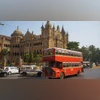
Buses in major Indian cities carry nearly four times as many people as do their Metro rail systems, which are said to have lower ridership than projected. Many Metro networks are still being built so ridership could go up. But in India buses rarely have dedicated lanes. Delhi’s Metro service, the largest in the country, carries roughly the same number of people as buses do in the city. This despite the national capital dismantling a Bus Rapid Transit System (BRTS) in 2016. Bengaluru’s buses carry 47 times the daily Metro ridership of 100,000, the largest gap among major cities as seen in chart 1.


A study in Bengaluru estimated that investments for a Metro would be 40 times the cost of a BRTS, while carrying four times the number of passengers. A BRTS will be cheaper and have greater flexibility than Metro rail systems, which work better for large groups of people travelling long distances. A Metro is said to be viable for distances of around 10 km or more. Most Indians travel less than this distance on their daily commute.

Surat and Ahmedabad both have around 100 km of dedicated bus routes (chart 2).


Cities would also be well-placed to acquire more buses. Except Bengaluru, most have fewer than the recommended 400-600 buses per million people (chart 3).


Delhi’s experiment with BRTS started in 2008, around the same time as New York. Poor communication and pushback from car owners, who complained their travel times had increased, resulted in it being scrapped. BRTS had reduced commute time by 40 per cent for its users.

Curitiba in Brazil and Lahore in Pakistan have successfully used buses as a key public transport. Ultimately, experts contend that a mix of transport options may be needed to meet India’s growing urban transport requirements. This can include looking beyond expensive metro systems. Some cities already are.

One subscription. Two world-class reads.

Already subscribed? Log in

Subscribe to read the full story →
*Subscribe to Business Standard digital and get complimentary access to The New York Times

Smart Quarterly

₹900

3 Months

₹300/Month

SAVE 25%

Smart Essential

₹2,700

1 Year

₹225/Month

SAVE 46%
*Complimentary New York Times access for the 2nd year will be given after 12 months

Super Saver

₹3,900

2 Years

₹162/Month

Subscribe

Renews automatically, cancel anytime

Here’s what’s included in our digital subscription plans

Exclusive premium stories online

  • Over 30 premium stories daily, handpicked by our editors

Complimentary Access to The New York Times

  • News, Games, Cooking, Audio, Wirecutter & The Athletic

Business Standard Epaper

  • Digital replica of our daily newspaper — with options to read, save, and share

Curated Newsletters

  • Insights on markets, finance, politics, tech, and more delivered to your inbox

Market Analysis & Investment Insights

  • In-depth market analysis & insights with access to The Smart Investor

Archives

  • Repository of articles and publications dating back to 1997

Ad-free Reading

  • Uninterrupted reading experience with no advertisements

Seamless Access Across All Devices

  • Access Business Standard across devices — mobile, tablet, or PC, via web or app

Topics :Metro networksmart city projectsmetro citiesIndian citiesModern citiesPublic TransportIndia economyBS Number Wise

Next Story



