India cenbank puts in place framework for acceptance of green deposits
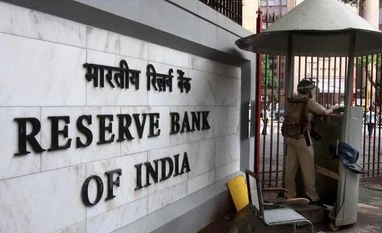
RBIndia is putting in place a framework for the acceptance of green deposits to foster and develop an environment-friendly finance ecosystem in the country, which will come into effect from June 1
Reuters MUMBAI MUMBAI (Reuters) - The Reserve Bank of India is putting in place a framework for the acceptance of green deposits to foster and develop an environment-friendly finance ecosystem in the country, which will come into effect from June 1, the central bank said in a statement on Tuesday.
The financial sector can play a pivotal role in mobilising resources and their allocation towards green, or ecologically responsible activities and projects, the banking regulator said.
"Green finance is also progressively gaining traction in India," the central bank said.
In early February, RBI Governor Shaktikanta Das said the central bank would issue guidelines to boost green finance and mitigate climate-related financial risks, adding that these measures will ensure that India's financial system starts to build the resilience to withstand any possible vulnerability to climate change.
Regulated entities (REs) shall be allowed to issue green deposits as cumulative or non-cumulative basis which could be renewed or withdrawn on maturity by the depositor.
All usual conditions set in place for other public deposits shall also apply to green deposits, the RBI added.
"REs shall put in place a comprehensive Board-approved policy on green deposits laying down therein, all aspects in detail for the issuance and allocation of green deposits," as per the framework.
The entities will also be required to put in place a board-approved financing framework (FF) for effective allocation of the green deposits. Both the policy on green deposits and the FF should be made available on the website, the RBI mandated.
"The RE shall also arrange to carry out an external review of their FF and the opinion from the external reviewer shall be made available on its website before implementation of the FF," it added.
The central bank also specified the various list of green activities and projects where the funds raised through green deposits can be allocated in sectors including renewable energy, energy efficiency among others.
(Reporting by Swati Bhat; Editing by Nivedita Bhattacharjee)
(Only the headline and picture of this report may have been reworked by the Business Standard staff; the rest of the content is auto-generated from a syndicated feed.)


 "India cenbank puts in place framework for acceptance of green deposits")

