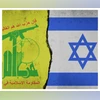
The same source indicated that similar devices also detonated in southern Lebanon. These communication devices reportedly exploded after being hacked by Israel.
As of now, there has been no comment from Israeli authorities regarding the incident.
The development was confirmed by an Al Jazeera report that said that numerous Hezbollah members were seriously injured in southern Lebanon and the southern suburbs of Beirut on Tuesday when their communication pagers exploded. The report cited the National News Agency (NNA), the official news agency of the government of Lebanon.
"Tens of injuries have been taken to hospital following the explosions caused by high technology," the NNA reported.
Meanwhile, an Al Jazeera correspondent, reporting from Beirut, described the incident as a "major development" in the ongoing conflict between Israel and Hezbollah, suggesting that the devices had been compromised in a coordinated attack.
Describing the incident as "a significant security breach" in which Hezbollah's communication devices "have been compromised", the correspondent said that images from across Lebanon showed "wounded men lying on the ground" and that the hospitals there are requesting blood donations.
A Hezbollah official, speaking to Reuters on condition of anonymity, referred to the detonation of the pagers as the "biggest security breach" the group has experienced in nearly a year of conflict with Israel.
Hezbollah's leader, Hassan Nasrallah, had reportedly urged his group's fighters a few months ago to cease using smartphones due to Israel's capability to infiltrate such devices.
Hezbollah is an Iran-backed group described by the American think tank Council on Foreign Relations (CFR) as a "Shiite Muslim political party" and "militant group" operating in Lebanon. The Centre for Strategic and International Studies classifies Hezbollah as the "world's most heavily armed non-state actor".
Hezbollah has been involved in conflicts with Israel for decades.
Following the attack by Hamas and other Palestinian armed groups on communities in southern Israel on October 7, which resulted in over 1,200 fatalities and around 250 hostages taken into Gaza, Israel declared war on Hamas and initiated a campaign of bombardment, followed by a ground invasion.
Since then, near-daily skirmishes have taken place along the Israel-Lebanon border.
Hezbollah has claimed to have conducted thousands of military operations against Israel since October 8, in what the group describes as a show of support for Palestinians and Hamas in the ongoing conflict in the Gaza Strip.
You’ve reached your limit of {{free_limit}} free articles this month.
Subscribe now for unlimited access.
Already subscribed? Log in
Subscribe to read the full story →
Smart Quarterly
₹900
3 Months
₹300/Month
Smart Essential
₹2,700
1 Year
₹225/Month
Super Saver
₹3,900
2 Years
₹162/Month
Renews automatically, cancel anytime
Here’s what’s included in our digital subscription plans
Exclusive premium stories online
Over 30 premium stories daily, handpicked by our editors


Complimentary Access to The New York Times
News, Games, Cooking, Audio, Wirecutter & The Athletic
Business Standard Epaper
Digital replica of our daily newspaper — with options to read, save, and share


Curated Newsletters
Insights on markets, finance, politics, tech, and more delivered to your inbox
Market Analysis & Investment Insights
In-depth market analysis & insights with access to The Smart Investor


Archives
Repository of articles and publications dating back to 1997
Ad-free Reading
Uninterrupted reading experience with no advertisements


Seamless Access Across All Devices
Access Business Standard across devices — mobile, tablet, or PC, via web or app
)