Home / Finance / News / RBI set to cut rates for a second time as US tariffs add to risks
RBI set to cut rates for a second time as US tariffs add to risks
In February, the RBI's six-member monetary policy committee delivered its first rate cut since May 2020 amid a slowdown in the economy, which is expected to have expanded 6.5 per cent in fiscal 2025
India's central bank is set to cut rates for a second time on Wednesday as risks to growth rise in the aftermath of US import tariffs, with investors closely monitoring its commentary and a potential change in stance for future policy clues.
US President Donald Trump last week slapped a 26 per cent reciprocal tariff on India, threatening the Reserve Bank of India's (RBI) GDP growth estimate of 6.7 per cent for 2025-26 and the government's economic survey forecast of 6.3 per cent-6.8 per cent.
In February, the Reserve Bank of India's six-member monetary policy committee delivered its first rate cut since May 2020 amid a slowdown in the economy, which is expected to have expanded 6.5 per cent in fiscal 2025, the slowest in five years and well below the high growth rates seen in the post-pandemic period.
A Reuters poll conducted ahead of Trump's tariff announcements showed economists expected the RBI to cut its benchmark repo rate by 25 basis points (bps) to 6 per cent at the conclusion of its April 7-9 meeting and pencilled in just one more cut during the year.
But the aggressive US levies have prompted a rethink to these estimates, with analysts now expecting potentially an additional 50-75 bps of cuts this year on top of this week's expected easing, especially with inflation trends looking positive.
"There is speculation that RBI should frontload rate cuts with a 50 bps cut in April but that may be too premature given ongoing bilateral trade negotiations," said Gaura Sen Gupta, chief economist at IDFC First Bank.
"Moreover, thanks to the substantial liquidity infusion by the RBI, overnight rates are below the repo rate," she added.
The easing of overnight interbank call money rates to sub-repo rate levels, one of the indicators used to gauge the level of policy transmission, is already suggesting a stealth rate cut, analysts said.
Bankers, however, have sought comfort on the availability of overnight liquidity up to a certain percentage of deposits from the RBI, and any such measures will be closely watched.
Wednesday's rate decision will not only underscore India's delicate economic balancing act, but also highlight the global stakes in US-India trade negotiations.
Citibank said the US tariffs could impact India's GDP growth by around 40 basis points in fiscal 2026 and expects the RBI to announce small cuts in both its GDP and inflation projections.
Madhavi Arora, chief economist at Emkay Global Financial Services, said in a note the RBI could change its stance to 'accommodative' from 'neutral' to give a directional easing bias.
Such a change would tend to support views that deeper rate cuts may be a possibility.
"Fiscal 2026 growth and inflation risks are skewed to the downside. However, we do not see RBI front-loading its ammunition, rather it may keep it ready for rain(ier) days," she added.
(Only the headline and picture of this report may have been reworked by the Business Standard staff; the rest of the content is auto-generated from a syndicated feed.)

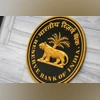 "RBI set to cut rates for a second time as US tariffs add to risks")


 Connect with us on WhatsApp