Home / Finance / News / RBI to continue with supervisory measures for early risk identification
RBI to continue with supervisory measures for early risk identification
The central bank would also focus on enhancing cyber resilience and capabilities of Supervised Entities (SEs) by implementing the recommendations of the inter-regulatory Working Group
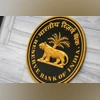
Reserve Bank on Thursday affirmed its commitment to continue with its supervisory measures | Image Credit: Bloomberg
The Reserve Bank on Thursday affirmed its commitment to continue with its supervisory measures aimed at early identification of risks and vulnerabilities.
The central bank would also focus on enhancing cyber resilience and capabilities of Supervised Entities (SEs) by implementing the recommendations of the inter-regulatory Working Group, which has uniform baseline cybersecurity guidelines for financial entities, it said in its annual report.
It can be noted that over the last two-three years, the RBI has taken a slew of supervisory actions against entities, including business curtailment actions.
"The Reserve Bank would continue with the supervisory initiatives aimed at early identification of risks and vulnerabilities, increasing the focus on the root cause of vulnerabilities, and harmonising the supervisory rigour across various segments of the financial system," the RBI said in its annual report.
In the report, the RBI said the Indian banking sector is resilient, but added that given the heightened global uncertainties, proactive risk management is a necessity.
"Considering the dynamic nature of the interest rate risk, banks need to address both trading and banking book risks, especially in light of moderation in Net Interest Margin (NIM)," the annual report recommended.
On the regulatory policies front, the annual report said the Reserve Bank would consolidate and streamline regulations to improve business efficiency and simplify compliance.
The report said several regulatory and supervisory guidelines were issued in FY25 to strengthen governance, risk management practices and operational resilience at lenders.
In the new fiscal, the RBI will be undertaking a review of the citizens' charter for further improving the timeliness of regulatory approvals and citizen-centric services.
It will also undertake a review of the Integrated Ombudsman Scheme, 2021, to enhance the quality and speed of grievance resolution, the annual report said, adding that technology initiatives will be undertaken to upgrade the complaint management system.
The central bank will also be embarking on drafting a new Payments Vision document, which would aim to build on the growth of payment systems in the last decade and provide further impetus to entities in the payments ecosystem to develop and deploy solutions in this space.
Enhancing security, customer protection and fraud prevention will remain key priorities when it comes to digital payments in FY26, the report said.
The RBI also said that it will undertake a review of the financial inclusion index in FY26, after the revision in the priority sector lending master directions.
(Only the headline and picture of this report may have been reworked by the Business Standard staff; the rest of the content is auto-generated from a syndicated feed.)

 "RBI to continue with supervisory measures for early risk identification")


 Connect with us on WhatsApp