A bank locker offers physical security for jewellery and documents, but it is not a guarantee of full financial protection. Before signing a locker agreement, customers should understand the rules, limits of liability, costs, and access conditions laid down by banks and the Reserve Bank of India (RBI).
Here is an explainer on how bank lockers work and what to check before opting for one.
A locker is storage, not insurance
A bank locker is only a secured storage facility. It does not automatically insure what you keep inside. Under RBI rules effective January 2022, banks are liable only in cases of proven negligence, such as fraud by bank staff, fire, burglary, or building collapse due to security failure.
Even then, compensation is capped at 100 times the annual locker rent.
For example, if your yearly rent is Rs 4,000, the maximum compensation is Rs 400,000. If the value of jewellery or documents exceeds this, a separate valuables or jewellery insurance policy may be necessary.
Allotment rules and waiting lists
Locker demand exceeds supply in many urban branches. RBI guidelines require banks to:
· Maintain a transparent waiting list
· Issue an acknowledgement and waitlist number
· Allot lockers on a first-come, first-served basis
· Not forcibly bundle lockers with other products unless disclosed
Some banks may ask for a refundable security deposit. Rent varies by locker size and city category, and GST at 18 per cent applies.
Costs and charges to factor in
Annual locker rents typically range from about Rs 1,500 to Rs 10,000 depending on size and branch location. Additional charges may include:
· One-time registration fee
· Stamp paper and agreement cost
· Locker break-open charges if the key is lost
· Penalty for delayed rent
Banks must give at least one month’s notice before revising locker rent.
Usage limits and compliance
Lockers are meant for valuables and important papers, not for storing cash piles, illegal goods, or hazardous materials.
Banks can deny access or initiate forced opening if rent remains unpaid after due notice.
Customers receive SMS or email alerts after each locker operation under current RBI norms.
Nomination and joint holding matter
Nomination is critical for smooth access after the locker holder’s death. Without a nominee, legal heirs may face procedural delays.
For joint lockers, the mode of operation should be clearly defined:
· Either or survivor
· Jointly
· Former or survivor
This determines who can operate the locker and who gets access later.
Practical precautions for users
· Choose a branch that is easy to access during working hours
· Avoid frequent visits with high-value items
· Do not keep an inventory list inside the locker
· Maintain a separate record at home for insurance and estate planning
A bank locker improves physical safety for valuables, but it comes with defined limits and responsibilities. Understanding the agreement terms and liability caps upfront helps avoid false comfort and future disputes

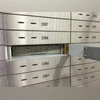 "Getting a bank locker? Here's everything to know before signing in")


 Connect with us on WhatsApp