This year, health and wellness science moved fast. Treatments that once seemed experimental entered their final phases and, in some cases, clinical practice. From obesity to cancer and tissue damage, long-standing medical challenges began to be addressed in fundamentally new ways. Powerful metabolic drugs, personalised cancer vaccines, and advances in regenerative medicine and longevity research made 2025 a turning point in how medicine approaches disease, ageing and healing.
Here’s what exactly changed in health and wellness this year:
1. GLP-1 and metabolic drugs redefined the treatment of obesity and diabetes
This year, no single class of drugs dominated public conversation, or clinic queues, like GLP-1 receptor agonists.
Originally developed for diabetes, drugs such as semaglutide and tirzepatide transformed how medicine addressed obesity. For the first time, excess weight was treated not as a failure of willpower, but as a chronic, biologically driven condition involving appetite regulation, insulin resistance and brain chemistry.
Patients reported not just weight loss, but a quieting of “
food noise”, the constant mental preoccupation with eating.
Researchers began exploring benefits beyond weight, including improved cardiovascular outcomes, better fatty liver markers, and even potential addiction-modulating effects.
At the same time, concerns surfaced around muscle loss, long-term safety, access inequities and sustainability once treatment stops. The debate shifted from whether these drugs work to how responsibly medicine should use them.
2. mRNA cancer vaccines opened a new frontier in personalised oncology
mRNA, the technology that powered Covid vaccines, entered oncology innovation this year. Instead of targeting viruses, researchers began training the immune system to recognise a patient’s own tumour markers.
Early trials of personalised mRNA cancer vaccines, particularly in melanoma and some solid tumours, showed reduced recurrence risk when combined with immunotherapy.
Rather than carpet-bombing cancer cells with chemotherapy, the immune system is being taught to hunt more intelligently.
These vaccines are not yet mainstream, but cancer treatment is clearly moving towards personalised, immune-based therapies.
3. Biotech-driven nutrition and longevity science moved closer to clinical reality
Longevity moved out of Silicon Valley podcasts and billionaire lifestyle culture and into peer-reviewed research this year.
Scientists explored how diet, fasting, supplements and metabolic interventions influence ageing pathways, particularly inflammation, mitochondrial function and insulin signalling. Startups began offering personalised nutrition plans based on genetics, inflammation levels, microbiome analysis and continuous glucose monitoring.
Longevity science became less about chasing immortality and more about increasing the years lived without disease, disability or dependency.
4. Hair regrowth research shifted from cosmetic fixes to biological regeneration
Hair loss, long relegated to a cosmetic annoyance, emerged as a legitimate biomedical focus.
Advances in stem cell biology, growth factor signalling and follicle regeneration led to
new experimental therapies aimed at reactivating dormant hair follicles rather than simply slowing loss.
Researchers identified specific molecular switches involved in follicle cycling. Early-stage trials explored topical and injectable treatments that could induce regrowth even in long-standing baldness.
The market remains cluttered with exaggerated claims, but the underlying science has sharpened. For millions dealing with hair loss linked to hormones, autoimmune disease or ageing, hope is shifting from camouflage to regeneration.
5. Regenerative medicine advanced the promise of self-healing tissues
Instead of replacing damaged tissue, scientists increasingly focused on encouraging the body to repair itself. Stem cell therapies, platelet-rich plasma, bioengineered scaffolds and gene-guided tissue regeneration gained traction in orthopaedics, cardiology and neurology.
Clinical trials explored regenerating cartilage instead of replacing joints, repairing heart tissue after infarction, and restoring nerve function previously thought irreversible.
This year delivered tools that work with biology rather than against it. The gap between what science can do and who benefits from it now stands as the next critical test for healthcare systems worldwide.


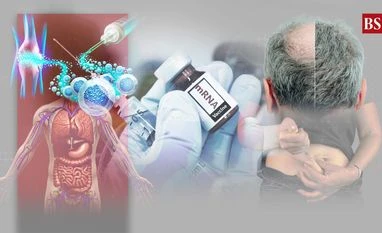 "How 2025 marked a turning point for health science and innovation")

