
ICMR releases dietary guidelines, says 56% diseases in India liked to diet
The NIN recommended restricting salt intake, using oils and fat in moderation, doing proper exercise, minimising sugar and ultra-processed foods
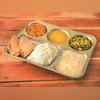 "ICMR releases dietary guidelines, says 56% diseases in India liked to diet")
Explore Business Standard

Associate Sponsors
Co-sponsor
The NIN recommended restricting salt intake, using oils and fat in moderation, doing proper exercise, minimising sugar and ultra-processed foods
Estimates show that 56.4 per cent of total disease burden in India is due to unhealthy diets, the ICMR said on Wednesday as it released 17 dietary guidelines to meet the requirements of essential nutrients and prevent non-communicable diseases (NCDs) such as obesity and diabetes.
The National Institute of Nutrition (NIN) under the apex health research body said that healthy diets and physical activity can reduce a substantial proportion of coronary heart disease (CHD) and hypertension (HTN) and prevent up to 80 per cent of type 2 diabetes.
"A significant proportion of premature deaths can be averted by following a healthy lifestyle," it said, adding that the upsurge in the consumption of highly processed foods laden with sugars and fats, coupled with reduced physical activity and limited access to diverse foods, exacerbate micronutrient deficiencies and overweight issues.
The NIN recommended restricting salt intake, using oils and fat in moderation, doing proper exercise, minimising sugar and ultra-processed foods.
It also suggested adopting a healthy lifestyle to prevent obesity and reading information on food labels to make informed and healthy food choices.
The Dietary Guidelines for Indians (DGIs) has been drafted by a multi-disciplinary committee of experts led by Dr Hemalatha R, Director, ICMR-NIN and has undergone several scientific review.
Seventeen guidelines have been listed in the DGI.
"Through the DGIs, we emphasise that the most logical, sustainable, and long-term solution to all forms of malnutrition is ensuring the availability, accessibility and affordability of nutrient-rich foods while promoting consumption of diverse foods. The guidelines contain in them scientific evidence-based information that would facilitate the attainment of goals stated in the National Nutrition Policy," Hemlatha said.
The dietary habits of Indians have undergone significant changes over the past few decades, leading to an increase in the prevalence of non-communicable diseases while some of the problems of undernutrition continue to persist, said Dr Rajiv Bahl, Director General, ICMR.
"I am pleased that these guidelines have been made very relevant to the changing food scenario in India with addition of practicable messages and suggestions on handling food safety choosing minimally processed foods, importance of food labels and physical activity. I am sure these will complement the government's efforts to promote holistic nutrition and health of our people," Bahl said.
Referring to the non-communicable diseases, the NIN said that 34 per cent of children between 5-9 years of age suffer from high triglycerides.
A balanced diet should provide not more than 45 per cent calories from cereals, and millets and up to 15 per cent of calories from pulses, beans and meat. Rest of the calories should come from nuts, vegetables, fruits and milk, the guidelines said.
Due to the limited availability and high cost of pulses and meat, a significant proportion of the Indian population relies heavily on cereals, resulting in poor intake of essential macronutrients (essential amino acids and essential fatty acids) and micronutrients, the NIN said.
Low intake of essential nutrients can disrupt metabolism and increase the risk of insulin resistance and associated disorders from a young age, it said.
(Only the headline and picture of this report may have been reworked by the Business Standard staff; the rest of the content is auto-generated from a syndicated feed.)
First Published: May 08 2024 | 11:35 PM IST


