Home / Immigration / Switzerland rejects population cap: Why voters opposed the 10 million limit
Switzerland rejects population cap: Why voters opposed the 10 million limit
Switzerland has rejected a proposal to cap its population at 10 million people by 2050, preserving current immigration rules and avoiding potential disruptions to its economy and ties with the Europea
Explained: Why Switzerland Rejected a Proposal to Cap Its Population at 10 Million
Switzerland looks set to reject capping its population at 10 million people, a radical proposal that would have marked an escalation in efforts by wealthy nations around the world to put strict curbs on immigration.
In a plebiscite on Sunday, 55% of Swiss voted against the idea, according to projections from public broadcasters SRF. Government results as of 1:45 p.m. Zurich time showed the ‘no’ side ahead with 52.9%.
The ballot on Sunday was the culmination of months of campaigning in which right-wing groups said Switzerland’s rapidly rising population is causing overcrowding and straining the country’s resources. The population isn’t too far off their proposed limit, having risen by almost 2 million this century to 9.1 million.
The vote result will be a relief to businesses after multiple high-profile executives had warned that setting a fixed upper limit on the number of residents, never tried in a modern economy, would cut off vital access to foreign labor and hurt business and investment. The government and the majority of lawmakers in parliament had also opposed the idea.
The concerns of firms like Roche Holding AG, Nestle SA and UBS Group AG had been heightened earlier this year when polls showed that proponents of the cap were ahead for large parts of the campaign. The ‘yes’ side lost that lead in the final polls, but remained close to 50%.
Supporters led by the Swiss People’s Party, or SVP, focused their push on sustainability, casting arrivals as stretching the country past its natural limits. They framed the population cap as a solution to high rents, crowded trains and overbuilding, messaging that connected with many people.
Even with the defeat, the sizable support indicates ongoing unhappiness with the level of immigration, which will encourage the SVP and others to continue to try to find ways to introduce limits. That’s been a recurring theme in Switzerland going back decades, where people have used the country’s direct democracy system to repeatedly propose initiatives to stem the inflows of people.
The rejection of the proposal also avoids a rupture with the European Union, which surrounds Switzerland and is by far its biggest trading partner. A population cap would have threatened the free movement of people between Switzerland and the bloc, and that could have ultimately severed the access of local exporters to the EU’s common market.
What did the proposal envisage?
That Switzerland's population, currently at 9.1 million, must not exceed 10 million before 2050. That is not expected to occur until the early 2040s.
Once the population reached 9.5 million, the government would have to introduce stricter immigration rules, notably in asylum and family reunification. That is a forecast to happen by about 2031, but could be as soon as 2029.
Once it hit the 10 million mark, Swiss authorities would be obliged to take "all available" measures to respect the limit, including potentially terminating international agreements that contribute to population growth.
If the population was not brought under the limit within two years, and no special provisions were agreed in order to comply with it, Switzerland would have to end its 1999 freedom of movement agreement with the EU at the next possible date.
That agreement allows EU citizens to live in Switzerland if they work or study there, with Swiss citizens having the same rights in the EU. The right to stay, which also includes family members, can apply after employment has finished. Switzerland has an "emergency brake on free movement in case of "serious economic or social problems", subject to arbitration.
Why has the proposal been launched?
Switzerland's population has grown significantly faster than that of the EU since the freedom of movement accord with the bloc came into force in 2002.
Many immigrants are drawn to the Alpine country by its higher wages and low taxes, which have helped bring in companies and created demand for skilled labour.
The right-wing Swiss People's Party, or SVP, launched the population cap initiative, arguing that public services and housing have come under pressure from mass immigration, and that crime has also risen.
What would a cap mean for the economy?
Switzerland has an ageing population and relies on immigrants to fill many jobs. Most come from Europe.
Today, foreigners make up almost 28% of the permanent population, and a recent study showed they accounted for nearly two-in-five company ‌founders in Switzerland.
The EU is easily Switzerland's most important trade partner, and in late 2024 the two struck a bilateral accord to deepen economic integration, which the SVP opposes.
That deal is moving through parliament and is likely to face a tough referendum in Switzerland, which U.S. President Donald Trump last year hit with the highest tariffs in Europe.
Freedom of movement is a pillar of the EU single market and any attempt to restrict European workers entering Switzerland could upend bilateral relations.

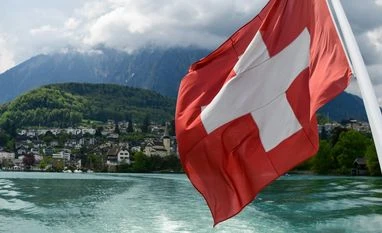 "Switzerland rejects population cap: Why voters opposed the 10 million limit")


 Connect with us on WhatsApp