India has revised its visa registration framework and reorganised employment visa categories, bringing changes that will affect foreign professionals, multinational companies, researchers and expatriates working in the country.
According to immigration services firm Fragomen, the changes are aimed at streamlining visa administration and ensuring that foreign nationals enter India under visa categories that accurately reflect their activities.
For companies employing foreign talent and for overseas professionals planning assignments in India, the changes could mean additional compliance requirements, but also greater clarity on the type of visa needed for specific activities.
What has changed? The biggest change relates to the registration deadline.
Earlier, foreign nationals who intended to stay in India beyond 180 days could register within 14 days after completing the 180-day period.
Under the amended rules, registration must now be completed before the 180-day stay period ends.
In practical terms, foreign nationals planning long-term stays will need to start the registration process much earlier than before.
One of the biggest changes is the restructuring of employment visa categories.
India has increasingly moved towards creating specialised sub-categories under the broader Employment Visa framework instead of maintaining multiple standalone visa classes. For example, project-related visas are now treated as a sub-category of Employment Visas rather than a separate visa stream.
The government has also introduced more specialised visa pathways in recent months, such as the e-Production Investment Visa (eB4), designed for foreign experts, engineers and technical professionals coming to India for short-term manufacturing and project-related assignments.
Why is this important?
For many foreign nationals, FRRO registration is a mandatory compliance requirement linked to their visa conditions.
Missing the registration deadline can lead to administrative complications, penalties or difficulties when extending visas or exiting the country.
The amendment effectively removes the comfort of the previous 14-day buffer period and places greater responsibility on visa holders and sponsoring employers to track deadlines proactively.
Indian immigration rules draw a clear distinction between:
- Business activities
- Employment activities
- Research and academic activities
- Project execution work
- Short-term technical assignments
A person entering India on a business visa cannot undertake full-time employment, while paid work generally requires an employment visa. Authorities have increasingly focused on ensuring visa categories match the actual activities performed in India.
What are the new registration rules?
Another important change relates to registration requirements.
Foreign nationals staying in India beyond prescribed periods must register with the Foreigners Regional Registration Office (FRRO) or Foreigners Registration Office (FRO). Registration requirements generally continue to apply to long-term visa holders, including employment visa holders whose stay exceeds 180 days. Registration is typically required within 14 days of arrival.
The revised framework is intended to align registration obligations more closely with visa classifications and intended activities.
In the first week of June 2026, an official Gazette notification issued by the ministry of home affairs said foreign nationals coming to India will now have to complete their registration before the expiry of 180 days from their arrival in the country if they wish to extend their stay.Taking a stricter approach to delayed registrations, the notification said that registration after the prescribed period will be permitted only under emergent circumstances.
Point to note: The Ministry of Home Affairs (MHA) has amended India's immigration rules and removed the old 14-day grace period that many foreign nationals relied on when extending their stay beyond 180 days in India.
Old Rule vs New Rule
Earlier:
A foreign national who wanted to stay beyond 180 days could register with the FRRO/FRO within 14 days after completing 180 days in India.
Now:
- Registration must be completed before the 180-day period expires.
- Waiting until after crossing the 180-day mark is no longer permitted as a routine matter.
"The revised rule removes the need to report the birth of a child where one parent is an Indian citizen, but introduces a new obligation to register the child within 30 days if the child later acquires foreign citizenship. The new reforms also change the employment visa subcategories; however, as of now, there are no practical implications of this change," said Fragomen.
Why does this matter?
The government wants foreign nationals who intend to remain in India beyond six months to notify authorities before they cross the 180-day threshold rather than after. This gives immigration authorities better visibility over long-term stays.
Any other important changes?
Yes.
1. Online appeal mechanism introduced
For the first time, affected individuals can file an online appeal before the Commissioner of the Bureau of Immigration against certain orders.
Appeal must be filed within 30 days.
The matter should be decided within 60 days after hearing the applicant.
2. Relief for certain children
The amended rules also provide an exemption from registration requirements in certain cases involving children where one parent is an Indian citizen and the family intends to retain the child's Indian citizenship
The changes are likely to have the greatest impact on:
- Multinational companies transferring employees to India
- Foreign engineers and technical specialists
- Researchers and academics
- Foreign nationals working on project assignments
- Companies sponsoring expatriate employees
- Foreign professionals undertaking long-term assignments in India
Employers may need to reassess whether employees are entering India under the most appropriate visa category and ensure that registration obligations are met on time.
What about family members?
Dependants of foreign employees generally continue to be eligible for dependent or entry visa categories linked to the principal visa holder. However, their ability to undertake work, study or other activities remains subject to the conditions of their visa category.
What should companies do now?
Immigration experts say employers should review:
- Current visa classifications for foreign employees
- Registration status of expatriate staff
- Assignment structures for short-term project workers
- Sponsorship documentation and employment contracts
Companies bringing foreign talent into India may also need to review whether workers performing installation, commissioning, project execution or technical supervision activities qualify under newly introduced visa pathways.
Beyond the registration change, Fragomen notes that India has reorganised employment visa classifications. Employment Visa sub-categories are now being used more systematically, with specialised categories such as the Project (E-4) Visa functioning under the broader Employment Visa framework.
The firm also highlights that the revised registration rules require greater advance planning because foreign nationals intending to stay beyond 180 days can no longer wait until after the 180-day threshold is crossed before beginning registration formalities.
Registration deadline tightened: Registration must be completed before the 180-day stay period ends.
Employment visa categories streamlined: More activities are being mapped into specialised Employment Visa sub-categories.
Higher compliance burden on employers and expatriates: Companies may need to start registration and extension planning much earlier than before
"These changes are designed to enhance the monitoring and documentation of foreign nationals, while strengthening the government’s ability to address security and administrative considerations more effectively. The new provisions align with the government’s ongoing efforts to modernize immigration management through advanced digital tracking and registration mechanisms," said Fragomen in a note.

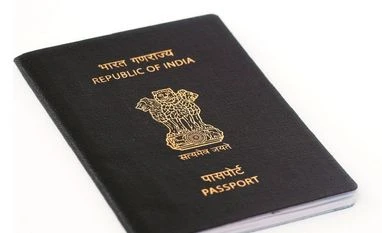 "Working, studying or researching in India? New visa rules explained")


 Connect with us on WhatsApp