
AIMPLB meets UP CM for removal of order on unrecognised madrassa students
The delegation lodged an objection to the notice issued by the state government to 8,449 madrassas in Uttar Pradesh
 "AIMPLB meets UP CM for removal of order on unrecognised madrassa students")
Explore Business Standard
The delegation lodged an objection to the notice issued by the state government to 8,449 madrassas in Uttar Pradesh
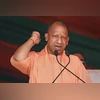
A delegation of the All India Muslim Personal Law Board (AIMPLB) met Uttar Pradesh Chief Minister Yogi Adityanath on Tuesday and demanded the withdrawal of a government order that directed the shifting of all students in unrecognised madrassas to state-run schools.
Maulana Khalid Rasheed Farangi Mahali, who was present in the meeting at the chief minister's official residence, told PTI that the delegation was led by the board's general secretary Maulana Fazlur Rahman Mujaddidi.
The delegation lodged an objection to the notice issued by the state government to 8,449 madrassas in Uttar Pradesh on the basis of which the district administration is ordering these madrassas to admit children studying there to schools for basic education.
The delegation termed the order issued by the then Chief Secretary of the state Durga Shankar Mishra on June 26 as against the Constitution which has given minorities the right to establish and run educational institutions of their choice.
Similarly, madrassas and vedic paathshalas have also been exempted from the Right to Education Act 2009.
The Board also expressed strong objection to the letter issued by the National Commission for Protection of Child Rights to the Chief Secretary of the state on June 7, he said.
"The chief minister has assured that he will look into the matter," Farangi Mahali said.
The then Uttar Pradesh chief secretary, Durga Shankar Mishra, in an order dated June 26 and issued to all the district magistrates of the state, cited a letter from the National Commission for Protection of Child Rights (NCPCR) dated June 7.
The letter directed that all non-Muslim students studying in the government-funded madrassas be admitted to schools of the Basic Education Council to provide them with formal education.
In the letter, it was also said all the children studying in all such madrassas of the state, which are not recognised by the Uttar Pradesh Madrasa Education Council, should also be given admission in council schools.
Committees should be formed at the district level by the district magistrates to implement the entire process, it said.
UP has approximately 25,000 madrassas. Of these, 16,000 madrassas are government-recognised, including 560 government-aided madrassas.
(Only the headline and picture of this report may have been reworked by the Business Standard staff; the rest of the content is auto-generated from a syndicated feed.)
First Published: Jul 31 2024 | 7:55 AM IST

