A fire at the residence of Delhi High Court Judge Yashwant Varma has led to the discovery of a large amount of cash, according to a report by The Times of India. Acting swiftly, Chief Justice of India Sanjiv Khanna, who heads the Supreme Court collegium, ordered Justice Varma’s immediate transfer to the Allahabad High Court, his parent court.
Firefighters discover hoards of cash
Justice Varma was away from the city when the fire broke out at his official bungalow. His family members called in firefighters and the police to control the blaze. After the fire was doused, officials reportedly discovered a massive stack of cash in one of the rooms.
The discovery was documented, and senior police officers were alerted.
SC collegium calls emergency meeting, issues transfer
As the information made its way up the chain of command, senior government officials were informed and briefed the CJI. This prompted the Supreme Court collegium to convene an emergency meeting to deliberate on the matter on Thursday.
The collegium unanimously agreed to transfer Justice Varma from the Delhi High Court to the Allahabad High Court, where he was originally appointed before his move to Delhi in October 2021.
However, some members of the five-judge collegium expressed concern that a transfer alone may not suffice, given the seriousness of the incident. They argued that allowing Justice Varma to continue in the judiciary without further examination could erode public trust in the system.
A section within the collegium has suggested that Justice Varma step down voluntarily. If he refuses, they are considering initiating an in-house inquiry, which could lead to impeachment proceedings.
SC rules on judge misconduct
According to the Supreme Court’s in-house procedure laid down in 1999, when a complaint of misconduct is received against a sitting judge, the CJI must first seek a response from the judge concerned. If the reply is found unsatisfactory, the CJI has the authority to form a three-member committee comprising one Supreme Court judge and two high court chief justices.
If the in-house probe finds credible evidence of wrongdoing, the matter may proceed to a formal impeachment process, requiring approval by Parliament as per Articles 124(4) and 217 of the Constitution.

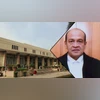 "Fire at Delhi HC judge's residence leads to discovery of large cash stash")



