The Supreme Court has observed that cinema is "on the decline" and warned that multiplexes could see empty halls if they fail to make ticket prices more affordable, according to a News18 report.
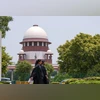
On Monday, a bench comprising Justices Vikram Nath and Sandeep Mehta stayed a Karnataka High Court order that had directed multiplexes to maintain a comprehensive and auditable record of every movie ticket sold.
“This should be fixed,” the Supreme Court bench remarked, noting that multiplexes were charging ₹100 for a bottle of water. “As it is, the cinema is declining. Make it more reasonable for people to come and enjoy. Otherwise, the halls are empty. We are with the division bench that it should be ₹200,” the court added.
The high court’s division bench had issued its direction on September 30 while hearing an appeal against an earlier order of a single judge. The single-judge order had granted an interim stay on the Karnataka Cinemas (Regulation) (Amendment) Rules, 2025, which sought to cap cinema ticket prices at ₹200.
Notice issued to Karnataka film body
The bench agreed to hear the petition filed by the Multiplex Association of India and others. It also issued notices to the Karnataka State Film Chamber of Commerce and other respondents, directing them to file their replies within four weeks.
“In the meantime, the effect and operation of the impugned order shall remain stayed,” the court said, clarifying that the single judge of the high court is free to continue hearing the matter.
Proposal to cap ticket prices at ₹200
On September 23, the single judge had granted an interim stay on the Karnataka Cinemas (Regulation) (Amendment) Rules, 2025, which proposed to cap ticket prices at ₹200, pending further orders.
When the matter later came up before the division bench, it observed that an interim arrangement was necessary to safeguard the financial interests of all parties until the case was finally adjudicated. It directed multiplex operators to maintain detailed and auditable records for every ticket sold, including the date and time of sale, mode of booking and mode of payment.

 "Fix ticket prices or face empty cinema halls: Supreme Court to multiplexes")


