
Gen AI can displace creative labour; position on copyrights unclear: ASCI
Usage of generative AI tools in advertising can lead to displacement of creative labour, the Advertising Standards Council of India warned on Tuesday
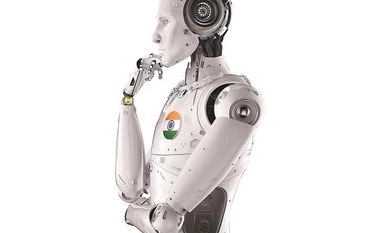 "Gen AI can displace creative labour; position on copyrights unclear: ASCI")
WebinarsNew
Deep DiveNew
Explore Business Standard
Usage of generative AI tools in advertising can lead to displacement of creative labour, the Advertising Standards Council of India warned on Tuesday
Usage of generative AI tools in advertising can lead to displacement of creative labour, the Advertising Standards Council of India warned on Tuesday.
The self regulatory organisation for the industry recommended a few steps to mitigate the impact, including enhancing capabilities of human labour and investing in human upskilling especially on editorial oversight and compliance.
In a white paper produced in association with law firm Khaitan & Co, ASCI said that the accessibility of generative AI services raises concerns about the potential displacement of creative labour.
It said that using AI tools for creating copies of advertisements, marketing materials, and promotional content can be more cost-effective compared to employing copywriters.
A slew of companies, including OpenAI's ChatGPT, Google Bard and Adobe Firefly, are offering competitive pricing or even free access during beta testing, it added.
The white paper comes within weeks of a strike by writers in the US over the loss of revenues for them because of the use of AI in creative work.
Meanwhile, the white paper also flagged copyright ownership as a challenge because AI is not recognised as a legal entity in the country currently.
Works or materials solely generated by an AI tool without human involvement may not be eligible for copyright protection under the Indian law, it said, adding that advertisers may not have legal ownership of AI-generated works and may have limited recourse in case of infringement by third parties.
Marketing or advertising agencies may face challenges in transferring full ownership of creative content to their clients if they are not considered the rightful owners, it said.
Other risks and challenges include potential infringements, the algorithms putting out unlawful content and also privacy concerns, it said.
It is necessary to formulate effective policies and regulations to guide the adoption and impact of AI in the country, the white paper said, adding, the regulators need to ensure that AI is deployed in such a manner that safeguards individuals' rights, promotes fairness and inclusivity, and mitigates potential risks.
"These policies should strike a balance between fostering innovation and addressing concerns related to privacy, security, bias, and the impact on the workforce," it added.
Manisha Kapoor, body's chief executive and secretary general, said as generative AI becomes more prevalent across various sectors, it is crucial to address key issues such as privacy, data security, transparency, and accountability.
(Only the headline and picture of this report may have been reworked by the Business Standard staff; the rest of the content is auto-generated from a syndicated feed.)
First Published: Aug 01 2023 | 9:50 PM IST


 Connect with us on WhatsApp