
Progress in reducing plastic pollution painfully slow: Scientists
The progress in reducing plastic pollution across globe has been painfully slow and the consequent damage to natural environment and to human health is likely to increase further
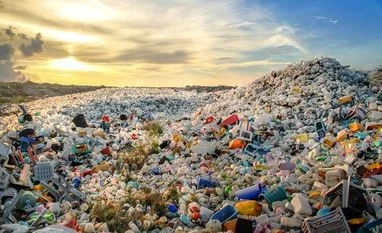 "Progress in reducing plastic pollution painfully slow: Scientists")
WebinarsNew
Deep DiveNew
Explore Business Standard
The progress in reducing plastic pollution across globe has been painfully slow and the consequent damage to natural environment and to human health is likely to increase further
The progress in reducing plastic pollution across the globe has been painfully slow and the consequent damage to the natural environment and to human health is likely to increase further, according to a network of scientists researching on the subject.
In a research paper published in the scientific journal Nature Communications', scientists from many countries, including India, have said that the views and ways of working of four distinct stakeholder communities scientists, industry, society at large and those making policy and legislation are not sufficiently well integrated.
The paper has been jointly published by Richard S Lampitt, Stephen Fletcher, Matthew Cole, Alice Kloker, Stefan Krause, Fran O'Hara, Peter Ryde, Mahua Saha, Anastasia Voronkova and Adrian Whyle from the UK, France and India.
Mahua Saha, a scientist from Goa-based CSIR-National Institute of Oceanography, is the only Asian scientist who is representing the region in this group.
The researchers claim that about 400 million tonnes of plastic waste is generated every year, and this quantity is expected to increase dramatically over the coming decades.
Less than 20 per cent of this waste is managed adequately, with most of it being incinerated, discarded into landfill or released into the natural environment, they have said.
According to the researchers, much of the public concern has been centred around the effects of plastic pollution on marine environments, but there is also increasing evidence of the deleterious impacts of plastics in terrestrial and freshwater ecosystems.
They have said that given the international nature of the plastics supply chain, any action to tackle plastic pollution must be coordinated globally and across all main actors.
It is our view that, in order to be effective, a comprehensive approach to tackle plastic pollution must involve the input and support of a wide and diverse groups of interdisciplinary stakeholders. We identify four different relevant communities of stakeholders, each of which must be included and given the opportunity to contribute to solutions to this crisis, says the paper.
The researchers have said that the scientific, industrial, societal and policymaker communities must be equitable partners in any international treaty.
These different communities have been identified previously as being the essential players but progress to integrate the diverse experiences and perspectives they can provide has largely been slow and ineffective, says the paper, stressing that the integration of communities is essential.
The researchers have called upon the international community and UNEP (United Nations Environmental Program) to demonstrate leadership, courage and integrity to work collaboratively to create the new paradigms required to end the pollution of our environment and safeguard the health of our planet.
(Only the headline and picture of this report may have been reworked by the Business Standard staff; the rest of the content is auto-generated from a syndicated feed.)
First Published: May 26 2023 | 6:21 PM IST


 Connect with us on WhatsApp