Home / India News / Railways aim to save 200k litres diesel a day by electrifying pit lines
Railways aim to save 200k litres diesel a day by electrifying pit lines
A senior government official said that the railways will substitute fossil fuels with grid electrification at all 411 maintenance pits by December 2023
Around 184,000 litres of diesel was being used on maintenance of Linke Hofmann Busch (LHB) rakes at pit lines every day (File)
By electrifying all pit lines on its network, the Indian Railways is aiming to save around 200,000 litres of diesel per day, according to a report by The Economic Times (ET).
Pit lines are the spaces where train compartments are cleaned and maintained to make them ready before the next journey.
A senior government official was quoted as saying by ET that the railways will substitute fossil fuels with grid electrification at all 411 maintenance pits by December 2023. The electrification of 302 pits has been completed.
Around 184,000 litres of diesel was being used on maintenance of Linke Hofmann Busch (LHB) rakes at pit lines every day, according to an internal energy and cost efficiency review conducted in 2022 by the railways.
Because of the absence of electric lines at pit lines, these coaches required diesel generators to remain running when electrical faults are being corrected.
The Indian Railways has sanctioned the setting up of 750 V of power supply through grids across all LHB maintenance pits to reduce the use of diesel, the official added.
In March 2023, railways minister Ashwini Vaishnaw stated that the railways wanted to achieve net zero carbon emissions by 2030. Prime Minister Narendra Modi also emphasised this goal as he laid the foundation stone for 508 'Amrit Bharat' stations earlier this week.
The electrification of pit lines will reduce costs by 70-80 per cent compared to existing head-on-generation (HOG-compliant) LHB rakes. The move is expected to bring in over Rs 450 crore annually.
The diesel-powered rakes were estimated to have an annual recurring expenditure of over Rs 668 crore, which was seen growing at 20 per cent due to inflation in diesel prices and a rise in LHB fleet size, making the shift necessary.

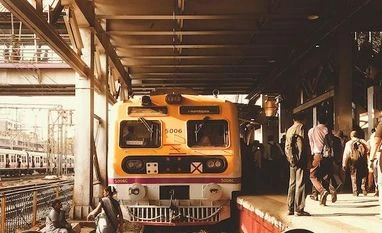 "Railways aim to save 200k litres diesel a day by electrifying pit lines")


 Connect with us on WhatsApp