Rising tourism, illegal construction straining Himalayas: Par panel
The tremendous increase in tourism and illegal construction of hotels and resorts is straining the Himalayan region and the government should take urgent action, a parliamentary panel said
Press Trust of India New Delhi The tremendous increase in tourism and illegal construction of hotels and resorts is straining natural resources in the Himalayan region and the government should take urgent action to avert Joshimath-like disasters, a parliamentary panel said on Thursday.
In its 135th report tabled in the Rajya Sabha, the Parliamentary Standing Committee on Science and Technology, Environment Forest and Climate Change also stressed the need for a thorough examination of the illegal structures in the ecologically fragile region in coordination with local authorities and strict action against illegal construction to prevent tragedies akin to the ones experienced in Kedarnath in 2013 and Joshimath earlier this year.
"The committee also highlights the tremendous increase of tourist activities in these areas which has put the natural resources under pressure. This has led to over-exploitation of natural resources and illegal construction of home stays, guest houses, resorts, hotels, restaurants and other encroachments," the report read.
The 31-member committee chaired by Congress leader Jairam Ramesh said the Environment Ministry should prepare a practical and implementable action plan with clear timelines to put a check on ecologically destructive activities.
It also asked the ministry to formulate a standard operating procedure (SOP) to be followed in the event of any unfortunate disaster in the region and apprise it of the efforts being made to monitor and check the "unbridled" growth in physical infrastructure and developmental projects in the Himalayas.
Authorities in Uttarakhand had in January declared Joshimath in Chamoli district a landslide and subsidence-hit zone after wide cracks appeared on residential and commercial buildings and roads and fields in the town renowned as a hiking and pilgrimage destination.
A number of structures were declared unsafe and residents shifted to safer places.
Satellite images released by the Indian Space Research Organisation showed the Himalayan town sank 5.4 cm in just 12 days following a possible subsidence event on January 2.
Although Joshimath is built on a fragile mountain slope in a region prone to landslides, its sinking has been attributed to large-scale development projects being undertaken there.
(Only the headline and picture of this report may have been reworked by the Business Standard staff; the rest of the content is auto-generated from a syndicated feed.)

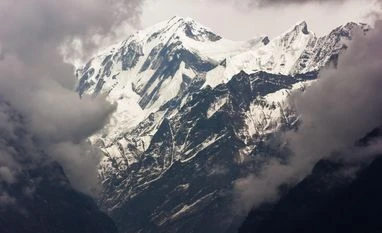 "Rising tourism, illegal construction straining Himalayas: Par panel")


 Connect with us on WhatsApp