
Urged B'desh monks, devotees to practice faith discreetly: Iskcon Kolkata
This suggestion comes in the wake of escalating violence against the Hindu community in Bangladesh after the fall of the Sheikh Hasina government
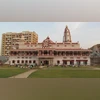 "Urged B'desh monks, devotees to practice faith discreetly: Iskcon Kolkata")
WebinarsNew
Deep DiveNew
Explore Business Standard
This suggestion comes in the wake of escalating violence against the Hindu community in Bangladesh after the fall of the Sheikh Hasina government
ISKCON Kolkata spokesperson Radharamn Das on Tuesday said he has urged its monks and followers from Bangladesh to avoid wearing saffron robes and 'tilak' in public, advising them to practice their faith discreetly amid safety concerns following targeted attacks against Hindu minorities in the neighbouring country.
This suggestion comes in the wake of escalating violence against the Hindu community in Bangladesh after the fall of the Sheikh Hasina government earlier this year, which has heightened anxieties among devotees and their families.
"The situation in Bangladesh is alarming. The monks and devotees, who have been calling us, we have told them to hide their identity as ISKCON followers or monks publicly. We have asked them to practice their faith discreetly inside homes or inside the temples. We have advised them to dress in a manner that does not draw attention," Das, who is also ISKCON Kolkata vice-president, told PTI.
He emphasised that the measure was temporary and aimed solely at ensuring their safety.
"This is not any advisory or generic guideline but my personal suggestion to monks and devotees who have been calling us frantically over the last few days," he said.
"Many of our devotees and their families are facing threats and intimidation," Das added, referring to incidents of vandalism of temples and attacks on religious gatherings.
Chinmay Krishna, who served as a spokesperson for Bangladesh Sammilita Sanatani Jagran Jote, was arrested at Dhaka's Hazrat Shahjalal International Airport on Monday while en route to Chattogram to attend a rally.
He was denied bail and sent to jail on Tuesday by a court in the neighbouring country.
Historically, Hindus made up approximately 22 per cent of Bangladesh's population during the 1971 Liberation War.
The Hindu population, once a substantial demographic in Bangladesh, has experienced a significant decline in recent decades, with the minority community now comprising only around 8 per cent of the country's total population.
This drop is largely attributed to a combination of socio-political marginalisation, exodus and sporadic violence over the years.
(Only the headline and picture of this report may have been reworked by the Business Standard staff; the rest of the content is auto-generated from a syndicated feed.)
First Published: Dec 03 2024 | 12:13 PM IST


 Connect with us on WhatsApp