Uttar Pradesh to leverage agri waste value chain for power generation
Some thermal power units run by the National Thermal Power Corporation (NTPC) and the UP power utility are already using biomass pellets along with coal
Virendra Singh Rawat Lucknow To provide an additional revenue source to farmers, the Uttar Pradesh government is looking to enrich the agricultural waste value chain for power generation and ethanol production.
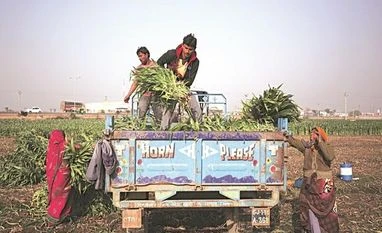
Agricultural waste or biomass will be converted into biomass pellets to replace coal in the state's thermal power plants. The potential agricultural waste market in UP is estimated at Rs 50,000 crore annually.
Some thermal power units run by the National Thermal Power Corporation (NTPC) and the UP power utility are already using biomass pellets along with coal.
Biomass fuel is derived from organic material. It is a renewable and sustainable source of energy to generate electricity, whereas pellets, solid fuel made of compressed biomass, could be produced from industrial waste, food waste, cow dung, crop residue, untreated lumber, etc.
Apart from pellets, agri waste or biomass will also be utilised to produce ethanol for mixing in fossil fuel.
According to state energy minister R K Sharma, UP stands third after Punjab and Haryana in biomass generation, and the government will leverage the same for the benefit of farmers. While UP is a leading agricultural and horticultural producer, the state's biomass generation is estimated at 60 million tonnes (MT) annually.
Roughly, 100 MT of coal is required to produce 7,000 megawatts of power, and if biomass fuel could replace even 10 percent of the existing coal usage, it is estimated to save Rs 5,000 crore to the exchequer.
Besides, biomass fuel production would reduce air pollution as farmers won't burn farm/crop residue after harvest and instead sell biomass for making pellets.
The UP-based distilleries are also bracing up to produce ethanol from surplus food grain and biomass. Ethanol is used in a variety of industrial processes, including medicines, chemicals, and liquor.
Traditionally, ethanol has been produced from sugarcane juice. However, the central and state governments are now focusing on diverting a part of excess food grain towards the ethanol chain to insulate farm income during bumper harvest.
UP is the country's largest ethanol producer, and the installed capacity of the state distilleries is to the tune of 3 billion litres per annum.
Over the past few years, the Yogi Adityanath government has been increasing ethanol capacity to cater to domestic demand and export to other states.

 "Uttar Pradesh to leverage agri waste value chain for power generation")


 Connect with us on WhatsApp