Experts say rising temperatures and erratic rainfall pose a risk to saffron production, which has dropped from 8 metric tons in the financial year 2010-11 to 2.6 metric tons in 2023-24
Tucked in a valley beneath the snow-capped Himalayas of the Indian Kashmir region is the town of Pampore, famed for its farms that grow the world's most expensive spice - the red-hued saffron.
This is where most of saffron is farmed in India, the world's second-largest producer behind Iran of the spice, which costs up to 325,000 rupees ($3,800) a kg (2.2 pounds) because it is so labour-intensive to harvest.
Come October, the crocus plants begin to bloom, covering the fields with bright purple flowers from which strands of fragrant red saffron are picked by hand, to be used in foods such as paella, and in fragrances and cloth dyes.
"I am proud to cultivate this crop," said Nisar Ahmad Malik, as he gathered flowers from his ancestral field.
But, while Malik has stuck to traditional farming, citing the "rich colour, fragrance and aroma" of his produce through the years, some agrarian experts have been experimenting with indoor cultivation of the crop as global warming fears increase.
About 90% of India's saffron is produced in Kashmir, of which a majority is grown in Pampore, but the small town is under threat of rapid urbanisation, according to the Indian Council of Scientific & Industrial Research (CSIR).
Experts say rising temperatures and erratic rainfall pose a risk to saffron production, which has dropped from 8 metric tons in the financial year 2010-11 to 2.6 metric tons in 2023-24, the federal government told parliament in February, adding that efforts were being made to boost production.
One such programme is a project to help grow the plant indoors in a controlled environment in tubes containing moisture and vital nutrients, which Dr. Bashir Ilahi at state-run Sher-e-Kashmir University of Agricultural Sciences said has shown good results.
"Growing saffron in a controlled environment demonstrates temperature resistance and significantly reduces the risk of crop failure," said Ilahi, standing in his laboratory between stacks of crates containing tubes of the purple flower.
Ilahi and other local experts have been helping farmers with demonstrations on how to grow the crocus plant indoors.
"It is an amazing innovation," said Abdul Majeed, president of Kashmir's Saffron Growers Association, some of whose members, including Majeed, have been cultivating the crop indoors for a few years.
Manzoor Ahmad Mir, a saffron grower, urged more state support.
"The government should promote indoor saffron cultivation on a much larger scale as climate change is affecting the entire world, and Kashmir is no exception," Mir said.
(Only the headline and picture of this report may have been reworked by the Business Standard staff; the rest of the content is auto-generated from a syndicated feed.)

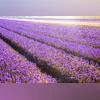 "Kashmir's saffron farmers experiment indoor cultivation amid climate change")


