
18% electricity generated in India will be solar by 2030, says IEA
IEA's new World Energy Outlook 2023 published on Tuesday indicated that renewables would provide half of the world's electricity by 2030
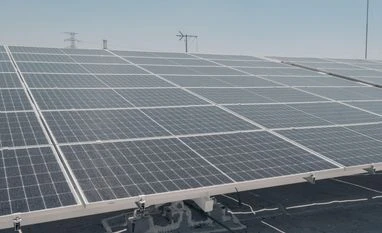 "18% electricity generated in India will be solar by 2030, says IEA")
Explore Business Standard

Associate Sponsors
Co-sponsor
IEA's new World Energy Outlook 2023 published on Tuesday indicated that renewables would provide half of the world's electricity by 2030
The International Energy Agency (IEA) predicted that 18 per cent of the electricity generated in India will be from solar sources by 2030, up from six per cent today.
IEA's new World Energy Outlook 2023 published on Tuesday indicated that renewables would provide half of the world's electricity by 2030 due to the phenomenal rise of clean energy technologies such as solar, wind, electric cars and heat pumps.
The report has painted a positive outlook for world energy consumption, saying there are set to be almost 10 times as many electric cars on the road.
However, it warned that emissions were still too high to prevent temperatures rising above a key threshold of 1.5 degrees Celsius.
In India, the report mentioned, "Eighteen per cent of the electricity generated in India will be from solar sources by 2030, up from six per cent today."
India has set a target of achieving 500 GW of installed capacity from non-fossil fuels, including around 270 GW of solar capacity, by 2030. In August, the centre said that the solar power generation capacity has now surpassed the 70,000 Megawatt mark.
The report highlighted policies adopted by several countries that encourage the diversification of supply chains for clean energy technologies.
"This includes policies to promote clean energy technology manufacturing, for instance, the Inflation Reduction Act in the United States, the Net Zero Industry Act in the European Union and the Production Linked Incentives scheme in India," the report stated.
The report also noted that India is the world's largest source of energy demand growth in the Stated Policies Scenario (STEPS) ahead of Southeast Asia and Africa.
"Finding and financing low-emissions ways to meet rising energy demand in these economies is a vital determinant of the speed at which global fossil fuel use eventually falls," the report suggested.
(Only the headline and picture of this report may have been reworked by the Business Standard staff; the rest of the content is auto-generated from a syndicated feed.)
First Published: Oct 24 2023 | 9:53 PM IST

