Following the tragic deaths of at least 22 children in Madhya Pradesh’s Chhindwara due to contaminated cough syrup last month, the Centre may consider a major safety directive: asking pharmaceutical (pharma) manufacturers to avoid high-risk solvents like propylene glycol and related impurities in oral liquid formulations, particularly those intended for paediatric use.
The Drugs Consultative Committee (DCC) — a statutory body under the Central Drugs Standard Control Organisation (CDSCO) — addressed the issue at its 67th meeting on November 17, specifically discussing the use of high-risk solvents in liquid medicines for children.
“In view of the above, the DCC has opined that CDSCO may initially consult stakeholders to assess the situation and collate details of formulations manufactured using high-risk solvents, for taking further appropriate action,” the minutes of the meeting, seen by Business Standard, observed.
While propylene glycol is considered safe in regulated amounts, DCC also deliberated on using alternative excipients or formulations.
Authorities have previously blamed the presence of high amounts of diethylene glycol (DEG), an industrial solvent, in the cough syrup, sparking a nationwide scare.
DEG is a cheap, colourless industrial chemical most commonly used in products like brake fluid and paint, an industry executive told Business Standard.
“DEG is sometimes mistakenly or illegally used by some manufacturers in medicines as a substitute for propylene glycol — a solvent that helps dissolve drugs into liquid form,” the executive added.
Coldrif cough syrup, one of 19 drugs sampled in Chhindwara, contained 48.6 per cent DEG, 480 times the prescribed limit of 0.1 per cent, according to a report by the Tamil Nadu Food Safety and Drug Administration Department.
In addition to Coldrif, two more syrups — Respifresh TR and Relife — manufactured in Gujarat, were found to contain DEG slightly above the prescribed limits.
Another pharma executive said smaller pharma firms, particularly unorganised or marginally compliant ones, resort to contaminants like DEG in cough syrups to cut production costs, driven by razor-thin margins in a hyper-competitive, low-regulation domestic market.
“Substituting DEG saves ~100 to 200 per 100-litre batch (for 1,000 bottles), translating into a ~50,000 to ~1 lakh profit boost per run at rural wholesale margins of 20-30 per cent,” he added.
* Central drug regulatory body’s committee raises concerns over high-risk solvents in paediatric drugs
* Solvents such as propylene glycol, diethylene glycol, and ethylene glycol marked as high-risk
* Move comes after deaths from contaminated cough syrups were reported in Chhindwara
* Committee also deliberated on using alternative excipients in such formulations
* CDSCO may consult stakeholders and collate details of drugs made using such solvents

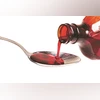 "CDSCO committee considers avoiding high-risk solvents in kids' oral drugs")












 Connect with us on WhatsApp