3 min read Last Updated : Oct 31 2025 | 8:33 PM IST
The wedding season has become a gold rush for ethnic apparel brands, with rising consumer spending turning bridal wear into a lucrative category.
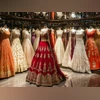
Ethnic clothing brand Biba has forayed into wedding wear for the first time with a new collection that includes draped saris, lehengas, bridal suits, and fusion sets.
The brand launched its first bridal store at Chandni Chowk’s Omaxe Mall in early October, offering at least 150 stock-keeping units (SKUs) starting at ₹20,000.
“This is our first time doing bridal, and we’ve come in fairly prepared because it’s a very different category that requires much more personalisation. It’s not an impulse purchase,” said Sidharth Bindra, managing director (MD), Biba.
“There is a lot more spending happening in the category,” he added, observing that money spent on weddings and lehengas has gone up substantially over the past five to eight years.
“So obviously, the category has become more attractive for larger brands and businesses,” he said.
On similar lines, Tata-backed Taneira, originally imagined as a sari haven, unveiled a bridal collection this season featuring wedding lehengas priced at around ₹60,000.
“While we’ve always catered to weddings, we have expanded our play in the category with bridal lehengas and are looking at them more seriously now,” said Ambuj Narayan, chief executive officer (CEO), Taneira.
Handcrafted lehengas on a base of tussar or viscose with intricate workmanship, Narayan added, reflect the brand’s aim to become a one-stop shop for bridal wear needs.
“The Big Fat Indian Wedding has only gotten fatter since the pandemic, driven by the worlds of influencers and Bollywood. It’s a lucrative category, and largely unbranded. Branded players entering the segment will have plenty of demand to cater to — making it an obvious foray,” said an apparel industry expert.
According to a Jefferies note from last year, an average Indian spends ₹12 lakh (roughly $15,000) on a wedding — sometimes exceeding the amount spent on 18 years of a child’s education. Weddings, the note added, contribute over 10 per cent of India’s apparel industry revenue.
Indian Silk House, which focuses on bringing silk saris to Tier-II, Tier-III, and Tier-IV cities, has also recognised the need for such pivots.
“We are launching our wedding collection, Brides of India, on November 7. We’re celebrating the different styles in which brides across the country wear saris. These wedding edits are very important in the retail channel — it’s about adapting to changing customer demands, and today, there’s far more focus on weddings,” said Darshan Dudhoria, CEO and MD, Indian Silk House.