Lower temperatures likely to have cooled down IIP in March, April

The fall in electricity output comes on the back of unseasonal and prolonged rain in March and April. The downpour led to a fall in temperatures, thus substantially lowering household demand
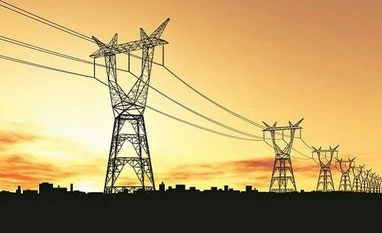
power, power demand
Shiva Rajora New Delhi
2 min read Last Updated : May 23 2023 | 9:24 PM IST
Lower-than-usual temperatures experienced during March and April this year — that led to lower power demand — may have had a cooling effect on industrial production, and to a lesser extent, on gross domestic product (GDP).

According to data sourced from the Grid Controller of India, energy demand met declined by 2.1 per cent in March 2023 compared to the same month last year.

While data on energy demand met for April is not available, data sourced from National Power portal shows that power generation declined 2.7 per cent in April 2023.

The fall in electricity output comes on the back of unseasonal and prolonged rain in March and April. The downpour led to a fall in temperatures, thus substantially lowering household demand.   

Data sourced from the Met department showed that the mean temperature in March this year hovered around 25.4 degrees Celsius, which is lower than last year’s average temperature of 26.7 degrees Celsius. Similarly, rain kept the temperatures cooler in April as well, as the mean temperature was around 28.1 degrees Celsius compared to 29.4 degrees Celsius last year.

Northwest India, which received the majority of the unseasonal rain, saw the highest decline in temperatures. Mean temperature stood at around 20.71 degrees Celsius and 24.4 degrees Celsius in March and April, respectively. This compares to 22.99 degrees Celsius and 28.1 degrees Celsius in the corresponding months last year.  

The monthly index for industrial production (IIP) data released earlier this month showed that electricity growth in March contracted by 1.6 per cent. 

The last instance when monthly electricity output had shown contraction was during the Covid lockdown in August 2020. At that time, output shrank 1.8 per cent. 

This contraction in electricity output will eventually end up hurting the GDP in the last quarter of FY23 as, along with gas and water supply, electricity contributes nearly 2.4 per cent value to the GDP. 


*Subscribe to Business Standard digital and get complimentary access to The New York Times

Smart Quarterly

₹900

3 Months

₹300/Month

SAVE 25%

Smart Essential

₹2,700

1 Year

₹225/Month

SAVE 46%
*Complimentary New York Times access for the 2nd year will be given after 12 months

Super Saver

₹3,900

2 Years

₹162/Month

Subscribe

Renews automatically, cancel anytime

Here’s what’s included in our digital subscription plans

Exclusive premium stories online

  • Over 30 premium stories daily, handpicked by our editors

Complimentary Access to The New York Times

  • News, Games, Cooking, Audio, Wirecutter & The Athletic

Business Standard Epaper

  • Digital replica of our daily newspaper — with options to read, save, and share

Curated Newsletters

  • Insights on markets, finance, politics, tech, and more delivered to your inbox

Market Analysis & Investment Insights

  • In-depth market analysis & insights with access to The Smart Investor

Archives

  • Repository of articles and publications dating back to 1997

Ad-free Reading

  • Uninterrupted reading experience with no advertisements

Seamless Access Across All Devices

  • Access Business Standard across devices — mobile, tablet, or PC, via web or app

More From This Section

Topics :Industrial productionpower demand forecast

First Published: May 23 2023 | 9:24 PM IST

Next Story