
Spices Board formulates guidelines for exporters to curb ETO contamination
Raw products that may present a potential hazard shall be processed in separate rooms, or in areas physically separate from those where end-products are being prepared/stored
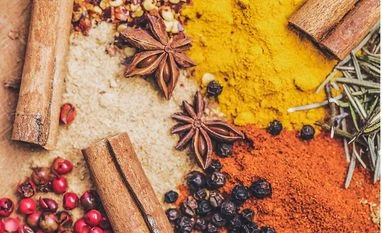 "Spices Board formulates guidelines for exporters to curb ETO contamination")
Explore Business Standard

Associate Sponsors
Co-sponsor
Raw products that may present a potential hazard shall be processed in separate rooms, or in areas physically separate from those where end-products are being prepared/stored
The Spices Board has come out with comprehensive guidelines for exporters to prevent ethylene oxide (EtO) -- a carcinogenic chemical -- contamination in the products shipped from India amid quality concerns being flagged by certain countries on these goods.
According to the guidelines, exporters would avoid the use of EtO in spices as a sterilising/fumigating agent or any other application; and ensure that transporters, storage/warehouses, packaging material suppliers do not use this chemical at any stage.
Exporters shall take adequate measures to ensure the absence of EtO and its metabolites in spices and spice products throughout the supply chain, it said.
They would also identify this chemical as a hazard and incorporate critical control points to prevent EtO in their Hazard Analysis Critical Control Points and Food Safety Plan in their Food Safety Management System.
"Exporters shall test raw materials, processing aids, packaging materials and finished goods for EtO contamination. On instances of EtO detection, at any stage of the supply chain, the exporters shall perform a root cause analysis and implement appropriate preventive control measures to avoid future recurrence and maintain such records," the nine-page guidelines said.
They are encouraged to use alternate methods of sterilisation like steam sterilization; irradiation; and other methods approved by food regulator FSSAI.
These guidelines came in the backdrop of Hong Kong and Singapore banning the sale of popular brands MDH and Everest after detecting the carcinogenic chemical ethylene oxide in their products. This led to a mandatory recall from shelves.
It also said that spices, herbs and their source plants shall not be accepted by the establishment if they are known to contain microbial contaminants which will not be reduced to acceptable levels by normal processing procedures, sorting or preparation.
"Special precautions shall be taken to reject spices and herbs showing signs of pest damage/infestation or mould growth, so as to eliminate the potential hazard of mycotoxins such as aflatoxins," it said, adding that raw materials will be inspected (for foreign matter, odour and appearance, visible mould contamination), cleaned if needed and sorted prior to processing.
It asked to take effective measures to prevent cross-contamination of spices and herbs by direct or indirect contact with potentially contaminated material at all stages of the processing.
Raw products that may present a potential hazard shall be processed in separate rooms, or in areas physically separate from those where end-products are being prepared/stored.
At the packaging stage, the guidelines non-porous bags/containers should be used to protect the spices and herbs from contamination, occurrence of moisture and infestation of insects and rodents.
"It is recommended that new bags or containers be used for food contact packaging and are in good condition. Spices and herbs, example dried chilli peppers, shall not be sprayed with water to prevent breakage during packing. This may result in growth of moulds and microbial pathogens," it added.
Further for transportation, it said prior to bulk transport, the products must be dried to a safe moisture level to prevent the growth of mould and pathogens; and vehicles used for transportation must be clean, dry, odor-free and free from infestation, and prevent cross contamination from previously transported products.
It also suggested that during transportation, attention should be given to avoid exposure to water/moisture and to ensure that pests or debris do not contaminate the commodity.
Spices absorb moisture quickly if the bags get wet, resulting in considerable increase in moisture content.
For products that require a longer period for transportation, temperature and humidity should be monitored using calibrated gadgets, where appropriate.
In 2023-24, India's spice exports totalled USD 4.25 billion, accounting for a 12 per cent share of the global spice exports.
The major spices exported from India included chilli powder, which topped the list with USD 1.3 billion in exports, followed by cumin at USD 550 million, turmeric at USD 220 million, cardamom at USD 130 million, mixed spices at USD 110 million, and spice oils and oleoresins at USD 1 billion.
Other notable exports were asafoetida, saffron, anise, nutmeg, mace, clove, and cinnamon.
The world spice trade is worth USD 35 billion in 2023. China is the top exporter with exports of USD 8 billion in 2023.
Top exports are chilli powder (USD 2.4 billion), ginger, turmeric (USD 2.2 billion), garlic fresh and dried (USD 1.6 billion), coriander, and cumin seeds (USD 800 million), according to the economic think tank GTRI data.
(Only the headline and picture of this report may have been reworked by the Business Standard staff; the rest of the content is auto-generated from a syndicated feed.)
First Published: May 10 2024 | 11:46 PM IST

