After falling 17 per cent since the start of the year to its March lows, the stock of the country’s largest pharmaceutical (pharma) company, Sun Pharmaceutical Industries, has clawed back nearly half of those losses. Recent acquisitions, a favourable court ruling in the case of the hair loss drug Leqselvi, an edge over peers owing to its specialty portfolio, and a diversified global presence have supported the recovery.
The stock’s weakness since January was driven by sluggish US sales, rising research and development (R&D) expenses, regulatory setbacks involving the US Food and Drug Administration (USFDA), and pricing pressure in the generics segment. Still, most brokerages remain upbeat about the company’s longer-term prospects.
The deal expands Sun’s global dermatology-focused specialty portfolio. It brings with it an FDA-approved drug, Unloxyct, used to treat metastatic skin cancer in adults — a segment with a US market size of $1 billion.
Despite the steep price, Elara Securities sees value in the acquisition. “Our analysis shows Unloxyct could reach peak annual sales of $200 million in the US. Since Sun already has a dermatology sales force in place, the added cost of marketing the drug would be minimal,” said analyst Bino Pathiparampil of the brokerage.
Looking ahead, the Street will watch for signs of a turnaround in the US business, where revenue dipped 1 per cent year-on-year and fell 8 per cent sequentially in the October–December quarter (Q3). The drop was due to lower sales of the generic version of the cancer drug Revlimid and ongoing price pressure in generics. Brokerages link this underperformance to manufacturing issues (including warning letters and import alerts) and expect it may take a few quarters to stabilise.
HSBC analysts Damayanti Kerai and Gaurang Sakare remain constructive on Sun’s specialty pipeline, including Ilumya (psoriasis), Winlevi (acne), and Cequa (dry eyes). While some clinical trials have seen delays, the brokerage believes Sun continues to prioritise investment in R&D for its specialty portfolio. HSBC has a ‘buy’ call on the stock, with a target price of ₹2,000.
Kotak Research maintains an ‘accumulate’ rating. Despite higher R&D spending tied to an expanding clinical pipeline, analysts led by Alankar Garude project a 200-basis-point operating margin improvement over 2023–24 through 2026–27, reaching 28.8 per cent — driven by stronger specialty margins and better domestic productivity.
In the face of tariff-related uncertainties, companies like Sun — with a large share of specialty drugs — are likely to be better insulated in the US, where niche segments see less competition. Specialty products make up about 55–57 per cent of Sun’s US revenue. A larger share of profits also comes from India and other markets, which helps cushion potential hits from the US side.
In contrast to the US market, Sun’s domestic pharma business has been growing steadily. It posted a 14 per cent rise in Q3, with key therapies clocking market-beating growth. The performance was underpinned by stronger volumes and price gains. Brokerages expect this trend to hold in the Indian formulation segment, driven mainly by volume growth.

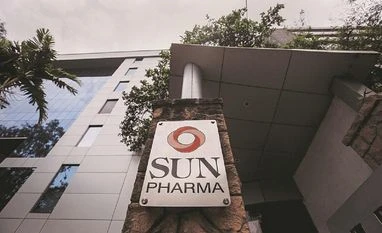 "Stock downfall: The side effects are real, but Sun Pharma stays on its feet")











