Barely two weeks after launching the National Turmeric Board to make India the global hub of this multi-utility spice, the government proposed, in the 2025-26 Budget, setting up a similar board for makhana (fox nut), a relatively neglected aquatic agro-product that is gaining popularity the world over as a superfood. With these two new boards, the count of commodity boards in the country swells to seven. The five pre-existing boards are looking after the sectoral interests of coffee, tea, rubber, tobacco, and spices. These statutory, yet autonomous, bodies are mandated primarily to promote the production, post-harvest processing, value-addition, marketing, and export of these commodities. They also provide technical knowhow and financial aid to the producers, and other stakeholders to improve the productivity and quality of the produce and participate in trade fairs, buyer-seller meets, and other developmental activities. The track record of these boards may not be wholly flawless, but they have played a perceptible role in the evolution of their respective commodity sectors.
An elaborate report on turmeric, brought out by the Indian Council for Research on International Economic Relations (Icrier), a think-tank, just a day after the establishment of the Turmeric Board, reckons that the value of export of this yellow spice could swell to $1 billion by 2030 from $226.5 million in 2023-24. India is the world’s largest producer, consumer, and exporter of this key kitchen staple, which is valued also for its therapeutic traits. The country accounts for nearly 70 per cent of global turmeric production and 62 per cent of its international trade.
Turmeric is basically a perennial plant belonging to the ginger family (Zingiberaceae). Its rhizomes (underground stems) are dried and processed to make turmeric powder, having a slightly acrid, yet sweetish, taste, and the typical yellow colour, which lends an appealing hue to curries. It is also used as natural dye, drug, and skin tonic, besides as a condiment in cooked foods. The plant is believed to have originated in tropical South Asia, including India, China, and Japan. Its cultivation has now spread to countries like Taiwan, Indonesia, Sri Lanka, Australia, Peru, the West Indies, and several African nations.
The Indian turmeric industry, however, needs to brace itself up to capitalise on the emerging opportunities in the world bazaar in the face of escalating competition from several new players, notably Fiji, the Netherlands, and Germany, which are offering better-quality and value-enhanced products of turmeric. The new board, which would have representatives of turmeric producers and exporters, apart from the officials of various concerned ministries, would need to formulate sound strategies to step up crop productivity, improve product quality, and explore new export destinations.
Quality is a major issue for Indian turmeric. Though the country has a rich diversity of turmeric varieties, comprising nearly 30 distinct types with distinguishable characteristics, most of these have a low content of curcumin, the main bioactive ingredient responsible for turmeric’s therapeutic and skincare properties. Only the “Lakadong turmeric”, grown chiefly in Meghalaya, contains adequate, and internationally comparable, level of 6.8 to 7.8 per cent of this key element. Most manufacturers of turmeric-based medicinal and cosmetic products, therefore, need to source their raw material from abroad, making India the world’s second-largest importer of turmeric, next to the United States, despite being the leading producer.
In the case of makhana, the present global market is rather small, worth only around $125 million, though it is expanding rapidly, thanks to the increasing awareness of its health benefits. Being a rich source of group B vitamins, protein, and fibre, and low in fat, makhana is becoming a preferred snack for fitness enthusiasts. Its consumption received a great impetus during the pandemic as an immunity-boosting agent.
Makhana, also known as lotus seed and Gorgon nut, is the seed of the prickly water lily plant, grown generally in ponds or natural stagnant water bodies. It has to be processed and popped to make it a crunchy, light, and delectable snack. In India, it is consumed also as a vegetable curry, sweet porridge, and various other types of popular cuisines.
Nearly 90 per cent of the country’s makhana output comes from Bihar, especially the districts of Darbhanga, Araria, Kishanganj, Katihar, and Madhubani, though it is now also being cultivated in states like Assam, West Bengal, Tripura, and Odisha. However, the makhana producers of Bihar have not gained much from the surge in domestic and global demand because of inadequate processing facilities and inefficient marketing channels. The bulk of the produce goes to other states for processing, popping, and organised marketing. The board for makhana, proposed to be set up in Bihar, would, therefore, have to not only introduce better production technology but also facilitate developing a post-harvest value chain. The performance of the boards for makhana and turmeric would ultimately be gauged by the impact their policies and programmes have on the holistic development of these sectors.

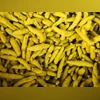 "Task before new boards: Boosting India's global standing in key commodities")










 Connect with us on WhatsApp