The most potent is that he does not plan to back away from his tariff wars. On Tuesday, he made good his threat to impose 25 per cent tariffs on Mexico and Canada and added a 10 per cent tariff to Chinese imports (taking total tariffs to 20 per cent) — a move The Wall Street Journal, a pro-Trump outfit, described as the “dumbest tariff plunge”. In his address to Congress, he declared April 2 as the start date for his campaign of reciprocal tariffs. He described this tit-for-tat trade agenda thus: “Whatever they tax us, we will tax them. If they do non-monetary tariffs to keep us out of their market, then we will do non-monetary barriers to keep them out of our market.” At a time when Commerce Minister Piyush Goyal was in Washington to discuss a bilateral trade deal, Mr Trump called out India for charging 100 per cent tax on automobiles, ignoring the fact that this had been lowered in the Union Budget to 30 per cent. Mr Trump’s penchant for unpredictability suggests that India may need to accelerate the process of concluding its trade agreement with the European Union (positive meetings over the weekend point to a prime opportunity), seek to integrate with the booming markets of Southeast Asia faster, and rapidly address its tariff regime.


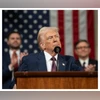 "Donald Trump's 'reciprocal tariffs' agenda raises global economic fears")











