This deficiency, in turn, raises questions about the role of the board, staffed by luminaries from business and industry
premium
At the same time, light must be shone on the DGCA’s role. Reports that the government is seeking a reconstitution of the airline’s board may reflect concern for the nationwide dislocation for consecutive days.
3 min read Last Updated : Dec 08 2025 | 10:47 PM IST
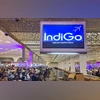
The crisis at IndiGo represents the kind of perfect storm that has been the cause of major crises in the corporate sector — from Kingfisher Airlines to Infrastructure Leasing and Financial Services. It involves collective failure at multiple levels — executive management, board, as well as the sector regulator — and highlights endemic weaknesses in Indian corporate governance. The airline, which operated over 2,300 flights per day to 140 destinations at its peak, built its formidable lead and delivered profitability in an industry riddled with burnouts, principally on account of its acute attention to on-time performance and costs. Together with other scheduled operators, the airline had over a year to align its pilot recruitment programme to the upgraded flight duty time limitation (FDTL) rules, notified by the Directorate General of Civil Aviation (DGCA) in January last year.
In operational terms, the new FDTL rules were the most consequential development for any domestic airline heading into 2025. Yet, as The Indian Express has reported, the airline’s Annual Reports for 2023-24 and 2024-25 did not mention the new rules at all, nor did they figure in the airline’s Risk Management Report. This implies that the airline’s management did not anticipate operational challenges arising from these new rules and did not prepare for them adequately, which raises questions about its basic executive capabilities.
This deficiency, in turn, raises questions about the role of the board, staffed by luminaries from business and industry. These include a former Indian Air Force chief, a former head of the United States (US) Federal Aviation Administration, the current chief operating officer of a US airline, a former chief executive officer (CEO) of Shell, and a former chairman of India’s securities market regulator. The airline reported that the board set up a crisis management group to monitor developments from the first day of the turbulence. It is worth wondering how, with so much corporate and specifically aviation-industry experience, the board did not think of exercising its fiduciary duty and question the management on its plans for the new FDTL rules well before the crisis broke out.
At the same time, light must be shone on the DGCA’s role. Reports that the government is seeking a reconstitution of the airline’s board may reflect concern for the nationwide dislocation for consecutive days. In Parliament, the minister of civil aviation also underlined that the DGCA had been monitoring airlines’ compliance with the new FDTL rules and stated that even as late as December 1, IndiGo did not flag any issues. This timeline suggests lapses on the part of the airline, demanding corrective steps. But regulatory action was surely warranted as early as November, when IndiGo cancelled over 1,200 flights. Instead of asking the airline to ground some flights to ensure operational sustainability, the regulator has administered a slap on the wrist by allowing it a one-time exemption from some of the new norms and issuing the CEO a showcause notice. In an industry that operates on free-market principles, such government-mandated exemptions raise questions of regulatory objectivity. They militate against airlines that have taken the trouble to comply with the new FDTL rules and now have to fly, by regulatory fiat, under temporary ceilings on fares. Such all-round governance failures do not reflect well on India Inc as a whole.




