When the Indian Super League (ISL) launched in 2014, it was envisioned as a game-changer for football in India. Early excitement was palpable, fueled by former football stars of the ’90s and 2000s, along with celebrities from cricket and cinema. The three-month tournament, though not yet recognized by the Asian Football Confederation (AFC), quickly captured fans’ attention.
However, once the initial novelty faded, the league struggled to maintain its early momentum. While the ISL did improve professionalism and standards in Indian football, its popularity has waned over 11 seasons. It also diminished the stature of the former 1st division football league in India known as the I-League which has also seen some of the prominent clubs of the country being shut down. The likes of former champions Salgaocar FC and Chennai City FC beared the brunt of the switch with the league now facing difficulties in terms of viewership and revenue as well.
Rising Costs and Declining Revenues
The inaugural ISL season, featuring eight franchises, averaged 25,408 spectators per match. In contrast, the latest season, even with iconic Kolkata clubs Mohun Bagan and East Bengal, drew just 11,084 per game. High operational costs, low ticket sales, and declining broadcast numbers have left clubs financially stretched.
In 2014, TV viewership for the league reached 429 million; by 2024–25, combined TV and digital numbers had dropped to roughly 130 million. A mid-table ISL club reportedly spent nearly ₹60 crore last season, with almost half recorded as losses. For comparison, IPL teams receive around ₹425 crore annually, far outpacing ISL clubs’ ₹13-16 crore central revenue allocation.
Among the original eight franchises, only five remain. FC Pune City shut down due to financial issues, Delhi Dynamos relocated to Odisha, and ATK merged into Mohun Bagan after the ISL gained top-tier recognition.
Financial Struggles and Relocations
Clubs have faced a persistent struggle with operational costs. Delhi Dynamos benefited from government-provided stadiums and sponsorships after moving to Odisha, but even champions like Chennaiyin FC have contemplated relocating to ease financial pressure. Hyderabad FC inherited losses from the defunct Pune City franchise and faced persistent deficits until new owners restructured the club.
Players’ and staff salaries have also been affected by these financial strains, sometimes resulting in delayed payments and staff departures. The situation highlights the fragile financial ecosystem within Indian football clubs.
V. C. Praveen, owner of Gokulam Kerala, believes the troubles facing India’s second-division football stem from the Master Rights Agreement (MRA) signed between the AIFF and Football Sports Development Limited (FSDL) in 2010.
“From scheduling onwards, everything about Indian football is very poor now. The minute the MRA was signed, Indian football was killed,” Praveen said. “They were only safeguarding their interest. The AIFF was very comfortable with the marketing money they were receiving, so they became very lazy.”
The Role of FSDL and AIFF
The ISL’s commercial framework rests on the Master Rights Agreement (MRA) between AIFF and Football Sports Development Limited (FSDL), signed in 2010. The MRA expires in December 2025, raising uncertainty over the league’s future.
Since its inception, FSDL has invested heavily, contributing over ₹600 crore to the AIFF, with total league-related investments estimated at ₹5,000 crore. Yet many clubs continue to face financial instability, with investor support often failing to materialize when needed.
Players unite in order to find a solution Following the delay in the start of the new Indian Super League (ISL) season this year, multiple players who play in the league have put up a statement or what can be called a plea to unite together and walk towards a solution to begin the new football domestic season in order to safeguard multiple jobs and maintain the levels needed to perform for their national teams as well.
Players like Indian legend Sunil Chhetri, last year's ISL golden boot winner Ajaraei have all taken to their social media handles to post these statements.
Inflated Player Costs and Wage Issues
Player salaries have soared, with Indian players commanding fees 8–10 times higher than comparable international standards. Clubs frequently overspend to attract talent, creating unsustainable wage structures. Modwel, former CEO of FC Pune City, criticized the poor enforcement of squad salary caps, which allowed clubs to circumvent rules and inflate costs.
This trend has intensified competition among clubs for top domestic talent, often leading to “ghost salaries” and other financial irregularities. Clubs like FC Goa have acknowledged their role in inflating wages, which has contributed to the national team’s underperformance on the international stage.
League Structure and Competitive Imbalance
The ISL initially mirrored the IPL’s short-format model, but over time, expanded to a longer season to comply with AFC guidelines. Despite this, India’s top flight still lags behind leading Asian leagues in match volume and competitive depth.
Promotion and relegation remain limited, leaving bottom-tier clubs with little motivation to manage finances effectively or improve performance. The I-League, India’s secondary division, also suffers from short seasons and limited competitive continuity, hindering the development of a true football pyramid.
Impact on the National Team
The instability in India’s domestic leagues has coincided with one of the worst 18-month periods for the national team. Despite professionalization and overseas coaching expertise introduced by the ISL, India has failed to make a significant impact internationally, with consecutive Asian Cup appearances in 2019 and 2023 producing limited results.
As India’s national team continues to struggle, the ISL’s effectiveness in improving football standards is increasingly questioned.
A League at a Crossroads
Eleven years after its launch, the ISL finds itself in a precarious position. With the MRA nearing expiration, clubs uncertain about revenue-sharing agreements, and the football pyramid still underdeveloped, the future of the league remains unclear. The critical question persists: did the ISL fail Indian football, or was the sport never fully ready to support such an ambitious venture?

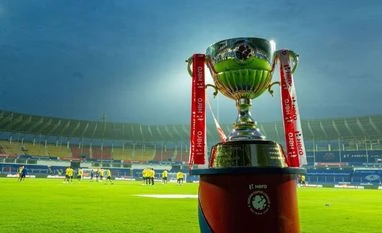 "ISL at Crossroads: Players demand urgent fix for the league's future")


