
Amnesty Int'l urges Taliban to reopen secondary schools for Afghan girls
A month after the Taliban seized power in Afghanistan, the group reopened schools that were shut due to the COVID-19 pandemic
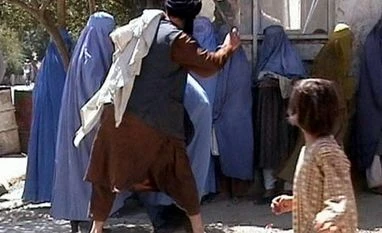 "Amnesty Int'l urges Taliban to reopen secondary schools for Afghan girls")
Explore Business Standard
A month after the Taliban seized power in Afghanistan, the group reopened schools that were shut due to the COVID-19 pandemic
Amnesty International has urged the Taliban to reopen secondary schools for girls. It said that Afghan girls have lost their right to education due to the Taliban's "discriminatory and unjust policies," Afghanistan-based Khaama Press reported.
Amnesty International stressed that the Taliban's policies violate international laws. A month after the Taliban seized power in Afghanistan, the group reopened schools that were shut due to the COVID-19 pandemic. However, they banned the girls from pursuing studies in schools above sixth class.
In a post on X, Amnesty International on June 14 stated, "For 1000 days, Afghan girls have been deprived of their right to education, locked out of their schools due to the discriminatory and unjust Taliban policies violating international law. The Taliban must immediately re-open all secondary schools to girls."
More than two and a half years have passed, however, the Taliban has yet to make any new statements regarding the reopening of schools for girls above sixth grade.
Amnesty International's statement comes amid a dire humanitarian crisis and severe human rights issues in Afghanistan. Taliban's policies have suppressed women's rights, including education and employment.
In 2022, the Taliban issued a decree banning women from working in aid agencies and domestic organizations. In addition, the Taliban has also imposed restrictions on their free movement, further limiting their opportunities.
Media restrictions have deteriorated the situation, making it difficult for people to stay informed regarding the developments and for the international community to understand the full extent of the crisis, as reported by Khaama Press.
Earlier in May, United Nations officials have once again raised concerns about the situation of women in Afghanistan under Taliban rule.
During a meeting titled "Women, Youth Must Have Greater Participation in Peacebuilding Efforts" that took place in New York, the UN officials the rights of Afghan women, especially the prohibition of girls from attending universities and secondary schools, TOLO News reported.
UN's Undersecretary-general for Political and Peacebuilding Affairs Rosemary DiCarlo characterised the state of women in Afghanistan as a lost cause.
"Ultimately, it comes down to a simple vision -- of overcoming obstacles that deny the full contribution of women," DiCarlo said at the meeting, TOLO News reported.
Moreover, Sima Bahous, Executive Director of the United Nations Entity for Gender Equality and the Empowerment of Women (UN-Women), while stating the figures said, "1.1 million girls are without schooling since the 2021 ban in Afghanistan.
First Published: Jun 16 2024 | 2:50 PM IST

